Australia's sheer geographic diversity - from the Red Centre's ancient desert landscapes to the Pacific-facing beachfronts of New South Wales - creates a rare setting for wellness travel. Whether you're after thermal spa immersion, coastal detox, or a quiet inland retreat surrounded by mountain ranges, these four properties each deliver a distinct recovery environment that goes well beyond standard hotel amenities.
What It's Like Staying in Australia & Oceania for Wellness Travel
Australia's wellness hotel scene benefits enormously from its natural infrastructure: national parks, open coastlines, and low population density mean genuine quiet is achievable even at resort-category properties. Distances between destinations are significant - flying or driving between regions is routine, and most visitors anchor their stay to one or two locations rather than moving constantly. The pace here rewards stillness over sightseeing, which aligns directly with wellness-oriented travel goals. Crowd intensity at beachfront and coastal properties peaks around December through February, while inland destinations like Alice Springs maintain a more consistent, manageable visitor flow year-round.
Around 70% of Australia's wellness properties are positioned near either a coastline or a national park, which means access to outdoor recovery activities - walking trails, open water, thermal landscapes - is typically built into the stay rather than requiring extra planning.
Pros:
Exceptional natural surroundings - beaches, desert ranges, and lagoon systems create authentic low-stimulation environments
Low urban density at most wellness-oriented locations means less noise pollution and genuinely restorative atmospheres
Coastal and inland properties typically include outdoor pools, BBQ areas, and trail access as standard
Cons:
Significant driving distances between regions - a car is essential at most properties outside of Alice Springs town centre
Peak summer season (December-February) brings heat extremes at inland locations and beach crowd surges on the NSW coast
Limited public transport to most resort locations means transfer logistics require advance planning
Why Choose a Wellness Hotel in Australia & Oceania
Wellness hotels in Australia consistently offer something that European spa hotels rarely can: direct, unmediated access to nature as part of the recovery experience. Where a European spa might offer a manicured thermal circuit, an Australian wellness property typically sits beside a 5 km open beach, a regional park, or a mountain range - all within walking distance or a short drive. Spa and pool facilities are standard across this category, but the real differentiator is the outdoor environment that frames every day of your stay. Pricing at Australian wellness resorts tends to sit above standard hotel rates by around 30%, primarily reflecting the inclusion of wellness infrastructure - pools, spas, fitness centres - and premium natural settings rather than central-city convenience.
Room sizes at wellness-oriented properties here are generally more generous than city hotels, with many offering self-contained apartments or villas with full kitchens, private balconies, and laundry facilities. This self-sufficiency model suits longer stays of four nights or more, where guests benefit from controlling their own pace rather than being tied to restaurant hours or hotel schedules.
Pros:
Beachfront and lakeside settings provide passive recovery that hotel spa circuits alone cannot replicate
Self-contained apartments with kitchens allow dietary control - a practical advantage for health-focused travellers
Properties in this category consistently include free parking, making car-based itineraries straightforward
Cons:
Wellness properties outside major cities operate on quieter hospitality rhythms - late-night dining and nightlife are largely absent
Indoor spa and pool facilities vary significantly between properties - not all offer equivalent thermal circuits
Some locations are exposed to summer heat that can make outdoor activity impractical during midday hours
Practical Booking & Area Strategy
The four properties in this guide cover three distinct Australian wellness environments - the Gippsland Lakes region of Victoria, the Red Centre of the Northern Territory, and the mid-north coast of New South Wales - each with different optimal booking windows. Alice Springs peaks in visitor numbers between May and September, when desert temperatures become comfortable and the MacDonnell Ranges are walkable; book at least 8 weeks ahead for this window. The NSW coastal properties near Port Macquarie and Diamond Beach draw peak demand from Sydney-based travellers during school holidays and long weekends, where last-minute availability becomes scarce. Lakes Entrance in Victoria offers a more shoulder-friendly booking window, with quieter periods outside January that make it well-suited for spontaneous wellness breaks.
For travellers arriving by air, Bairnsdale Airport serves the Gippsland Lakes region, Alice Springs Airport sits just 15 km from the DoubleTree property, and Port Macquarie Airport is within 15 minutes' drive of Flynns Beach Resort. Renting a car at the airport is strongly recommended at all four locations - local transport infrastructure is minimal, and the natural attractions that define these wellness stays (Colquhoun Regional Park, Red Head Lookout, the MacDonnell Ranges) require independent mobility to access fully.
Best Value Wellness Stays
These properties deliver strong wellness value through direct natural access - beachfront positioning, lakeside settings, and self-contained apartment formats that support multi-night recovery stays without relying solely on hotel-managed facilities.
-
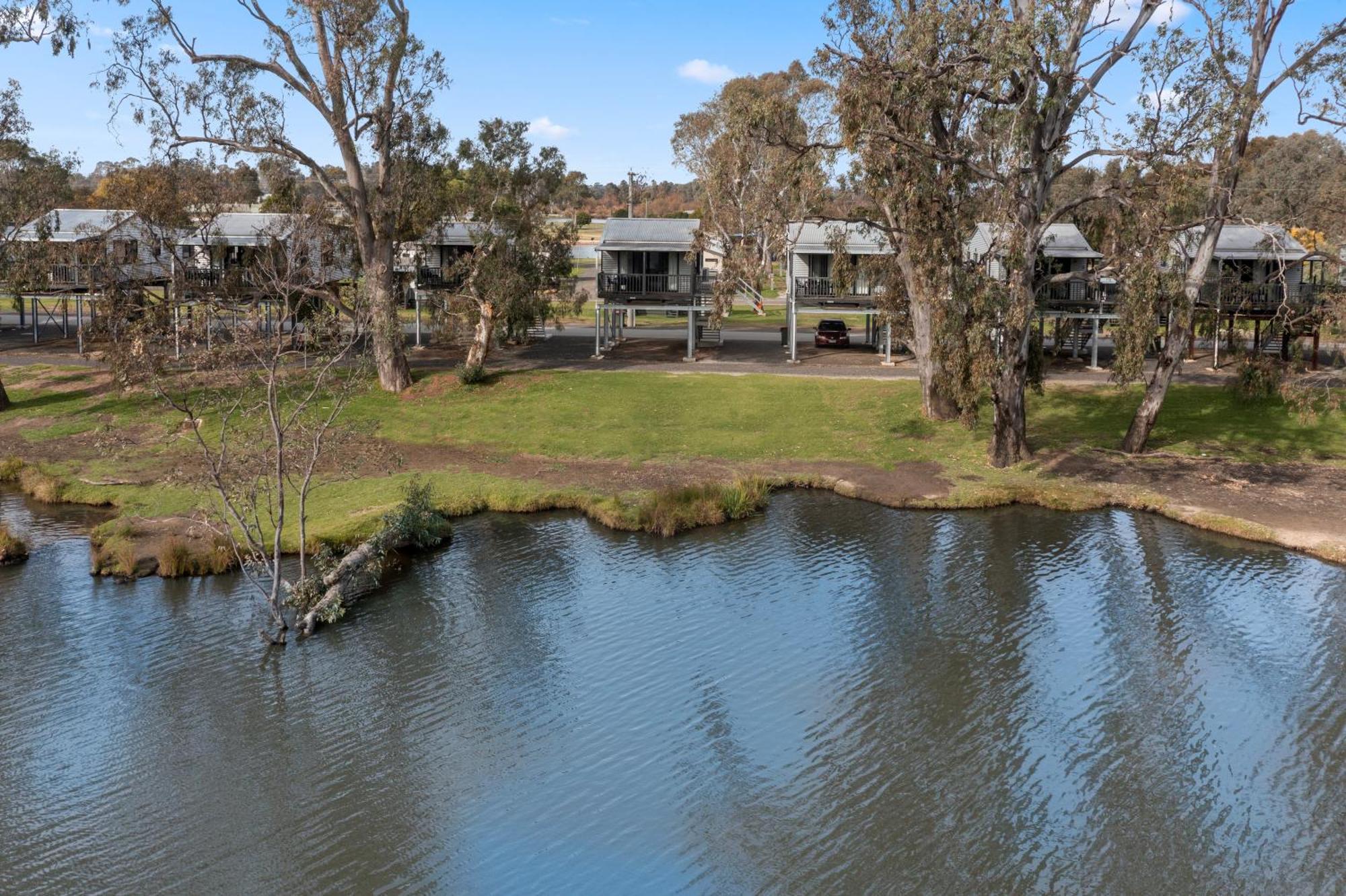
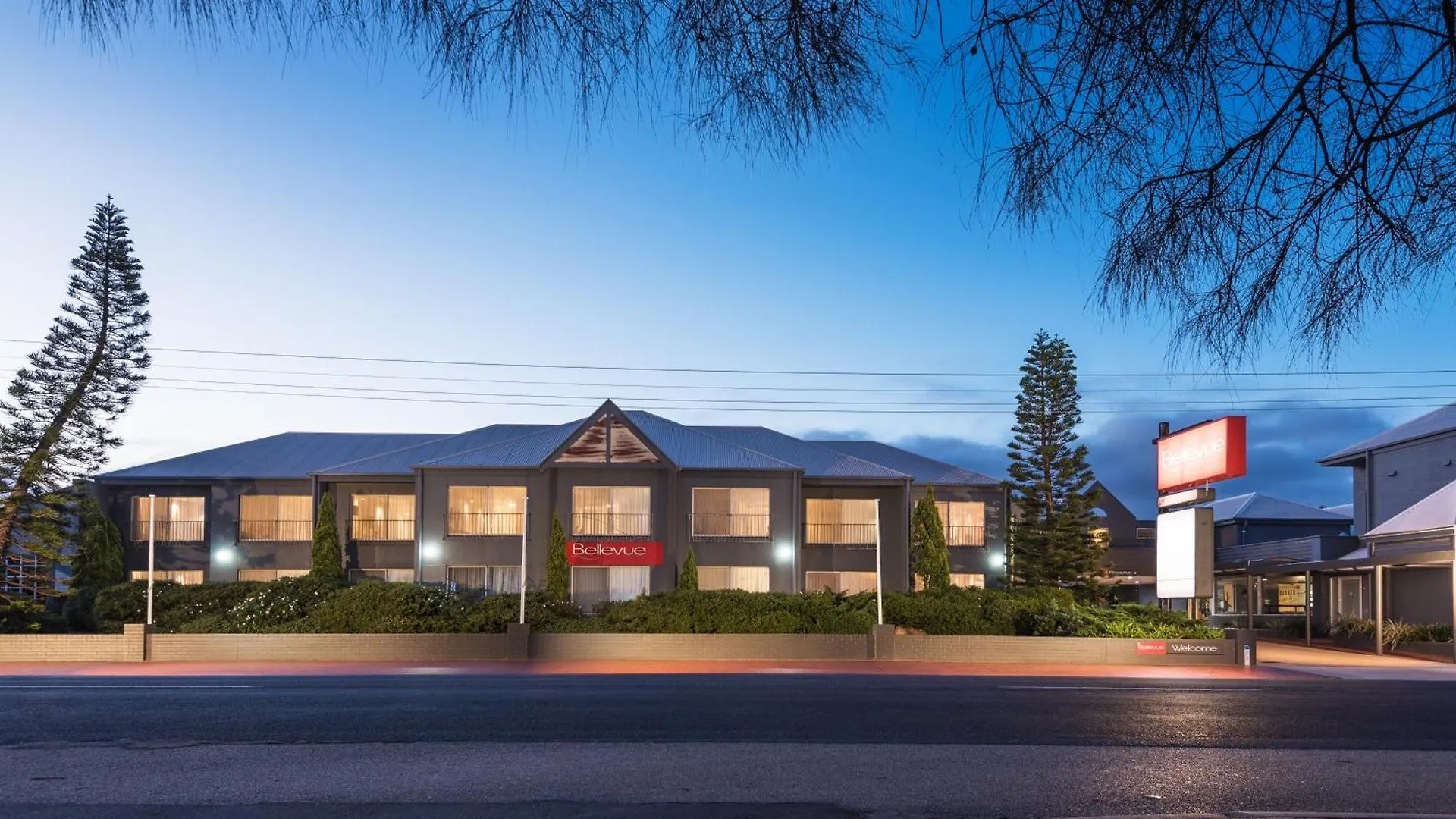
1. Bellevue On The Lakes
Show on map


 Check-infrom 14:00 until 18:00Check-outfrom 08:00 until 10:00
Just a few rooms left at the best rate!
fromAU$ 153
-
2. Flynns Beach Resort
Show on map


 Check-infrom 14:00 until 23:59Check-outuntil 10:00
Just a few rooms left at the best rate!
fromAU$ 217
-
3. Serenity Diamond Beach
Show on map


 Check-infrom 14:00 until 17:00Check-outuntil 10:00
Hurry – almost gone at this price!
fromAU$ 213
Best Premium Wellness Stay
For travellers seeking a full-service wellness hotel with structured dining, fitness, and a landmark natural setting, this property delivers the most complete resort experience in the selection.
-
1. Doubletree By Hilton Alice Springs
Show on map


 Check-infrom 15:00 until 23:59Check-outuntil 12:00
Rooms filling fast – secure the best rate!
fromAU$ 145
Smart Travel & Timing Advice
Timing your wellness stay in Australia depends heavily on which region you choose. Alice Springs and the Red Centre are best visited between May and September - desert temperatures drop to comfortable walking levels, and the MacDonnell Ranges are at their most accessible for hiking. Avoid January in Alice Springs - midday temperatures regularly exceed 40°C, making outdoor wellness activities impractical. NSW coastal properties like Serenity Diamond Beach and Flynns Beach Resort are viable year-round, though school holiday periods in January and April see occupancy surge and rates increase by around 25%; booking 6 weeks in advance for these windows is the minimum safe lead time.
Lakes Entrance and the Gippsland region offer arguably the most forgiving booking window in the selection - autumn (March-May) brings mild temperatures, manageable crowds, and good availability at Bellevue On The Lakes without the pressure of peak summer demand. A minimum of 3 nights is recommended at any of these properties to meaningfully engage the surrounding natural environment rather than spending arrival and departure days in transit logistics. Last-minute deals are occasionally available at the coastal NSW properties outside of long weekends, but the Red Centre and Gippsland Lakes properties reward advance planning given their geographic remoteness and limited nearby alternatives.