Australia and Oceania offer some of the most ecologically diverse backdrops for nature-focused accommodation on the planet - from the tropical gardens of Queensland's Fraser Coast to the rugged red-rock landscape surrounding Alice Springs. These six hotels are positioned within direct reach of wildlife corridors, reef ecosystems, and protected natural parks, making them genuinely useful bases for travellers whose priority is the landscape, not the city grid.
What It's Like Staying in Nature-Focused Areas of Australia and Oceania
Staying in nature-oriented regions of Australia means trading urban convenience for direct access to ecosystems most travellers only read about - lagoons, Great Barrier Reef fringe zones, red desert ranges, and coastal wildlife reserves. Transport between regions is vast, with driving distances between destinations often exceeding 300 km, so choosing accommodation close to your target natural attraction matters significantly more than in compact European destinations. Crowds at key natural sites are highly seasonal, peaking during Australian school holidays in July and December, while shoulder seasons like April-May and September offer quieter access with lower accommodation rates.
Pros:
- Direct access to UNESCO-listed ecosystems and endemic wildlife not found anywhere else on Earth
- Resorts are typically set on large acreage, meaning genuine separation from noise and urban sprawl
- Eco-certified properties in coastal Queensland and South Australia offer structured wildlife programming (turtle walks, reef snorkelling tours)
Cons:
- Car hire is nearly essential - public transport to nature-adjacent resorts is limited or non-existent
- Dining options beyond the resort can be sparse in rural areas like Clare Valley or Alice Springs outskirts
- Some properties have inconsistent Wi-Fi in garden or lagoon-facing rooms due to remote infrastructure
Why Choose Nature Hotels in Australia and Oceania
Nature hotels in this region are not simply properties surrounded by greenery - they are typically built around a specific ecological asset, whether a natural lagoon, a protected reef zone, or a wildlife corridor. Compared to standard city hotels, nature resorts in Queensland and regional Victoria offer significantly larger room footprints, often in villa or apartment formats with private verandahs, at rates that can be around 25% lower per square metre than comparable urban properties. The trade-off is logistical: you gain space and immersion but lose walkability to restaurants, nightlife, and services.
Pros:
- Self-contained villa formats with full kitchens reduce meal costs significantly on longer stays
- On-site tour desks at coastal and outback resorts provide curated access to reef tours, island day trips, and wildlife experiences
- Properties set within nature reserves or on acreage offer morning wildlife sightings (wallabies, turtles, cockatoos) without leaving the grounds
Cons:
- Outdoor pools may close or become less practical during cooler months in southern states like Victoria
- Remote nature properties often have limited check-in flexibility and stricter cancellation policies
- Some eco-resort amenity sets are more modest than 4-star city hotels at equivalent price points
Practical Booking and Area Strategy for Nature Hotels in Australia
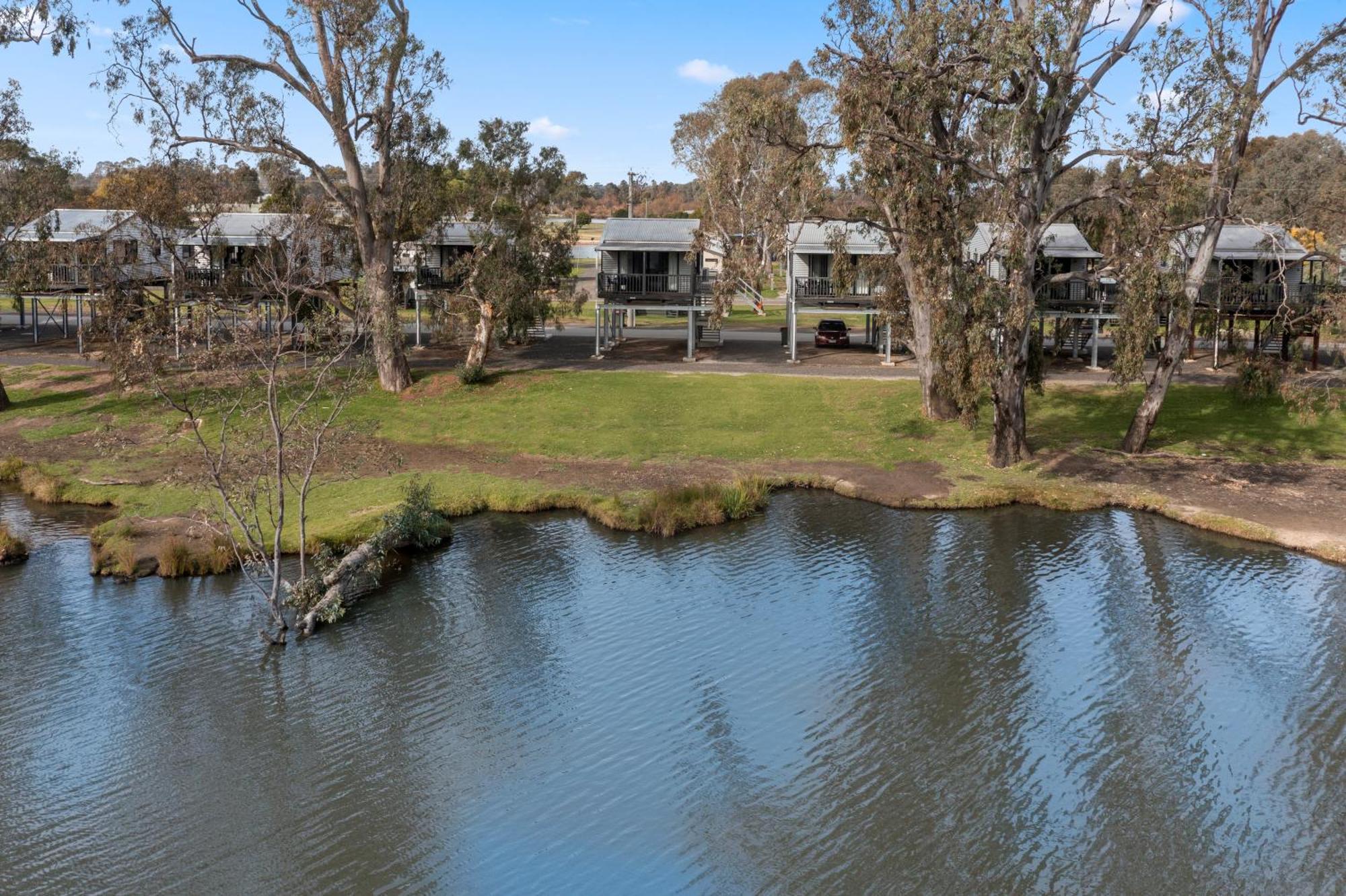
The strategic choice for nature travellers is between three distinct geographic corridors: the Queensland coast (Hervey Bay, Bargara, Port Macquarie), the Central Australian outback (Alice Springs), and the Victorian Gippsland Lakes. Queensland coastal properties fill up around 8 weeks ahead during whale-watching season (July-October in Hervey Bay) and turtle nesting season (November-March at Mon Repos near Bargara), making early booking non-negotiable for those periods. For Central Australia, Alice Springs-based hotels are best used as a launchpad for West MacDonnell Ranges day hikes and Uluru fly-drive packages - the town is around 450 km from Uluru by road, so a minimum two-night stay is practical. Clare Valley in South Australia is a quieter proposition suited to wine-and-nature combiners, where the Riesling Trail cycling route connects cellar doors through native bushland. Gippsland Lakes (Lakes Entrance, Victoria) suits travellers prioritising low-key coastal access with indoor pool facilities - practical given Victoria's variable shoulder-season weather.
Best Value Nature Stays
These properties deliver strong nature access and practical amenities at competitive price points, with self-contained formats that suit families and longer stays.
-
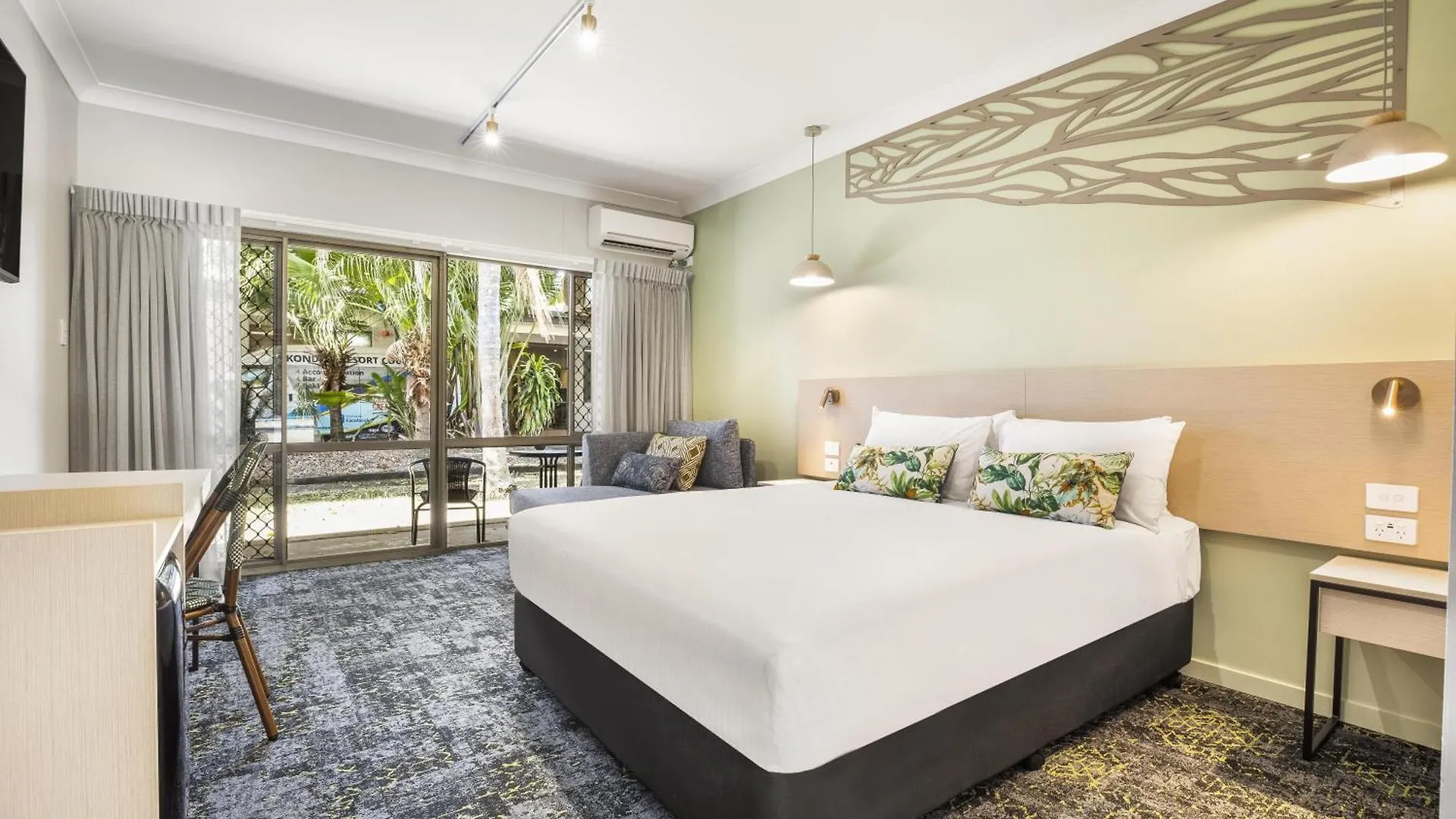
1. Nightcap At Kondari Resort
Show on map


 Check-infrom 14:00 until 19:00Check-outfrom 09:00 until 10:00
Just a few rooms left at the best rate!
fromAU$ 116
-
2. Kellys Beach Resort
Show on map


 Check-infrom 14:00 until 22:00Check-outfrom 07:00 until 10:00
Just a few rooms left at the best rate!
fromAU$ 245
-
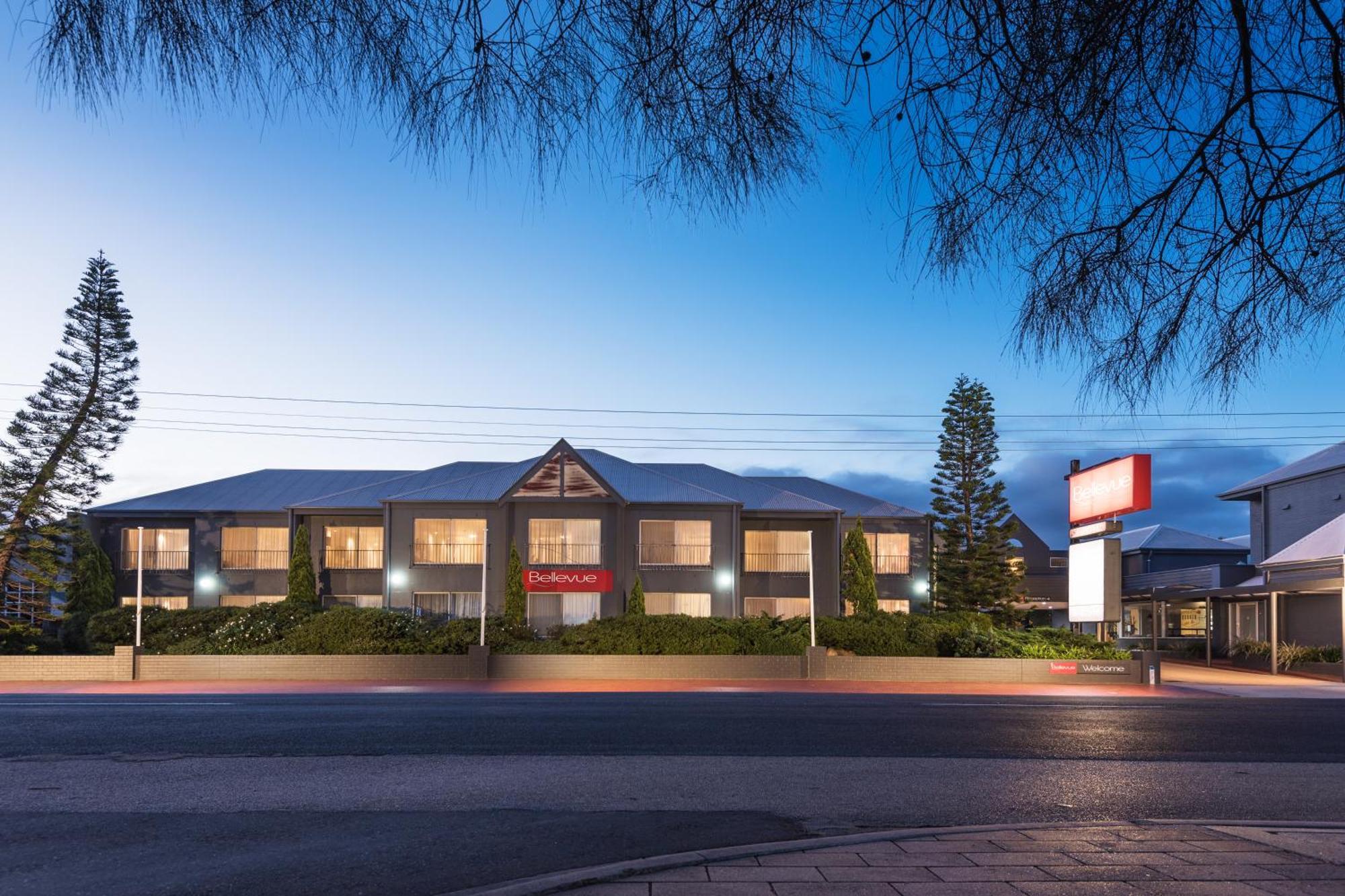
3. Bellevue On The Lakes
Show on map


 Check-infrom 14:00 until 18:00Check-outfrom 08:00 until 10:00
Hurry – almost gone at this price!
fromAU$ 153
-
4. Clare Valley Motel
Show on map


 Check-infrom 14:00 until 20:00Check-outuntil 10:00
Hurry – almost gone at this price!
fromAU$ 167
Best Premium Nature Stays
These properties combine upscale amenities with strong nature positioning - suited to travellers who want immersive landscapes without compromising on room quality or facilities.
-
1. Doubletree By Hilton Alice Springs
Show on map


 Check-infrom 15:00 until 23:59Check-outuntil 12:00
Rooms filling fast – secure the best rate!
fromAU$ 145
-
6. Flynns Beach Resort
Show on map


 Check-infrom 14:00 until 23:59Check-outuntil 10:00
Rooms filling fast – secure the best rate!
fromAU$ 217
Smart Travel and Timing Advice for Nature Hotels in Australia
Timing a nature-focused trip to Australia requires matching your destination to its ecological calendar rather than simply finding the cheapest flight window. For the Queensland coast (Hervey Bay and Bargara), the window between July and October delivers humpback whale migrations and active turtle nesting at Mon Repos - both phenomena with strict visitor caps, meaning accommodation and tour bookings should be confirmed at least 8 weeks in advance. Alice Springs and the Red Centre are best visited between May and September, when daytime temperatures drop to a manageable range; summer months bring extreme heat that limits outdoor activity to early morning and late afternoon windows only. The Gippsland Lakes and Clare Valley regions follow a more temperate pattern - spring (September-November) delivers wildflower displays and mild cycling weather on the Riesling Trail, while summer brings peak domestic tourism and higher rates. Last-minute bookings in rural Australia carry real risk: unlike city markets with abundant supply, nature-adjacent resorts often have fewer than 40 rooms, meaning properties sell out entirely during peak ecological events rather than just becoming more expensive. A minimum two-night stay at any of these properties is recommended to justify the travel distance involved.