Finding a hotel in Utah where the staff genuinely enhances your stay is harder than it looks. Utah spans an enormous territory - from the red rock corridors near Zion to the high desert plains of central Utah and the bear lake shoreline in the north - and service quality varies dramatically by location and property type. This guide focuses on hotels with consistently high staff ratings, selecting properties where guest reviews point to real, documented helpfulness rather than generic hospitality scores.
What It's Like Staying in Utah
Utah is not a single travel experience - it is a collection of very different landscapes and driving corridors that require real planning. Most visitors underestimate distances, with key destinations like Zion, Bryce Canyon, Arches, and Bear Lake each requiring separate overnight stops to avoid exhausting day trips. The state sees around 60 million visitors per year, with the heaviest crowds concentrated along the so-called Mighty Five national parks route between spring and fall. Travelers who rely on knowledgeable hotel staff to navigate road conditions, shuttle schedules, and local detours will find that service quality directly impacts the efficiency of their trip. Those expecting urban walkability and public transit in most areas will find Utah difficult - this is a car-dependent state with vast stretches between towns.
Pros:
- Centrally located hotels offer direct access to multiple national parks and scenic byways without needing to rebook nightly
- Staff in smaller Utah towns tend to have detailed local knowledge of road closures, trail conditions, and seasonal access routes
- Free parking is nearly universal, eliminating a major cost pressure common in coastal U.S. cities
Cons:
- Dining options near many Utah hotels are limited, particularly in rural towns like Fillmore or Salina where choices close early
- Public transportation between cities is essentially nonexistent - a rental car is mandatory for any multi-destination itinerary
- Cell coverage drops significantly outside of Salt Lake City and Provo, making in-hotel staff assistance even more critical for navigation support
Why Choose Hotels with High Staff Ratings in Utah
In Utah, the value of responsive, knowledgeable hotel staff goes beyond courtesy - it translates into saved hours on the road. Hotels along I-15 and Highway 89 corridors serve as critical rest stops for travelers covering large distances, and staff who can provide timely updates on road conditions, weather, or park entry windows make a measurable difference to trip outcomes. Hotels with high staff scores in Utah typically earn those ratings through practical assistance - shuttle referrals, breakfast flexibility, and proactive communication - not just a friendly check-in. These properties tend to charge within around 20% of standard chain rates while delivering a noticeably more attentive experience. In a state where self-service kiosks are increasingly common, guest-facing staff responsiveness remains a real differentiator that budget and mid-range hotels here use to compete against larger chains.
Pros:
- Staff with local expertise can redirect guests away from overcrowded trailheads toward less-visited alternatives, saving significant time during peak season
- Properties rated highly for staff in Utah often maintain 24-hour front desks, which matters for road-trippers arriving late after long desert drives
- High staff ratings frequently correlate with better room readiness, faster issue resolution, and more accurate information about breakfast hours and amenity availability
Cons:
- Smaller staff teams in rural Utah hotels may not cover all languages beyond English and Spanish, limiting support for international visitors
- High staff ratings do not always indicate premium room quality - some top-rated service hotels in Utah have dated furnishings and basic room infrastructure
- During peak summer months, even well-staffed properties can be stretched thin, reducing the attentiveness that earned them high ratings in the first place
Practical Booking & Area Strategy for Utah
Utah's geography demands a location-first booking approach. If you're routing along the I-15 corridor toward Las Vegas or St. George, positioning yourself in Fillmore or Salina gives you a logical midpoint with easy highway re-entry the following morning - both towns sit at roughly the geographic center of the state. Layton, north of Salt Lake City, offers the strongest transport logic for travelers combining a city stay with visits to Antelope Island State Park or the Ogden area, with Ogden-Hinckley Airport just 14 km away. Garden City on the shores of Bear Lake is a seasonal destination best booked well in advance for summer weekends, when lakeside properties fill up quickly. Booking at least 6 weeks ahead is advisable for any July or August stay across Utah, as national park gateway towns and scenic corridor stops see demand spike sharply. For shoulder season travel in April, May, or September, last-minute rates often drop meaningfully, and staff availability improves as crowd pressure eases. Key Utah attractions include Zion National Park, Bryce Canyon, Arches National Park, Canyonlands, Bear Lake, and Temple Square in Salt Lake City.
Best Value Stays
These properties offer strong staff ratings and practical road-trip utility at accessible price points, making them reliable overnight stops along Utah's major travel corridors.
-
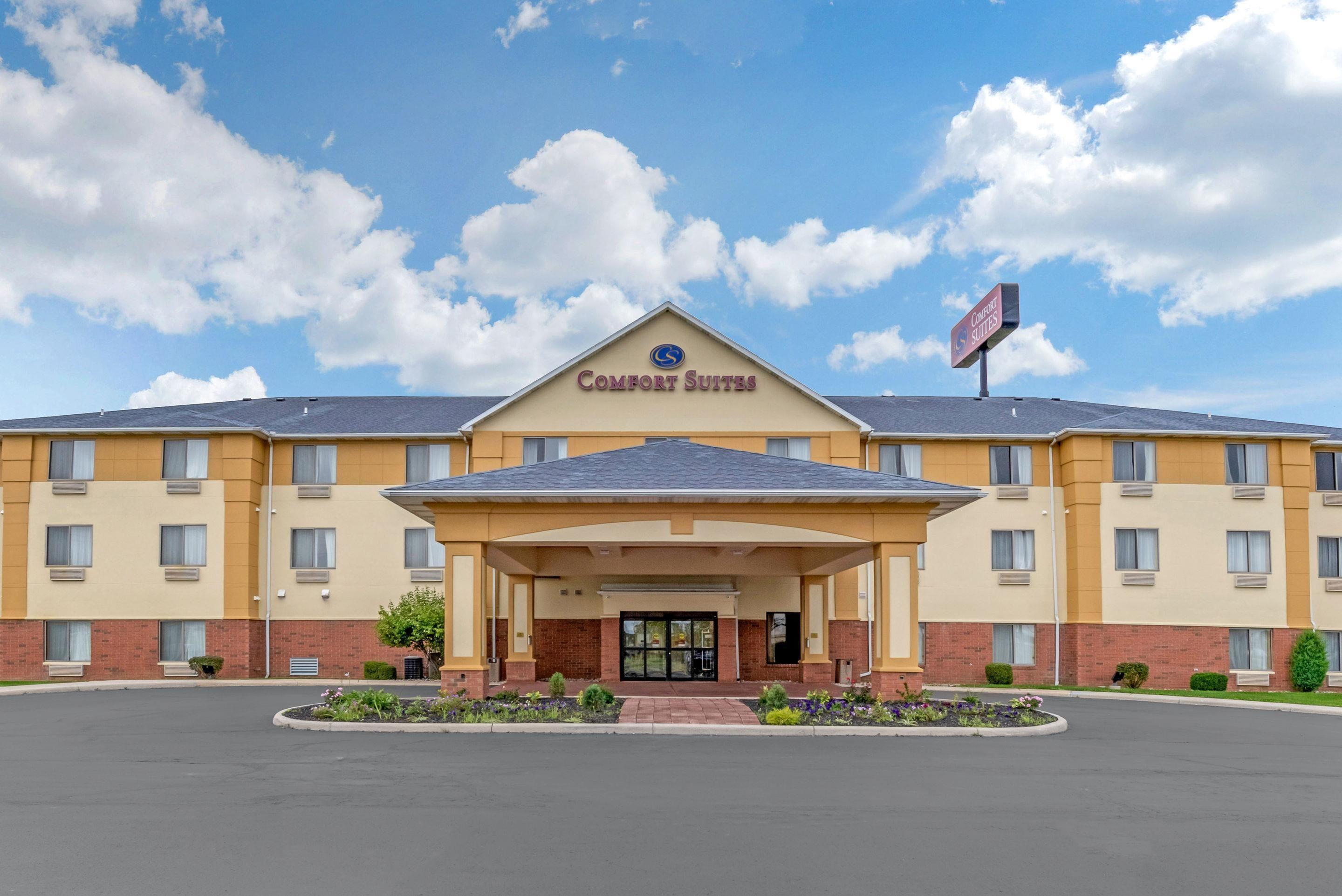
1. Quality Inn & Suites Fillmore I-15
Show on map


 Check-infrom 15:00 until 23:59Check-outuntil 11:00
Just a few rooms left at the best rate!
fromUS$ 65
-
2. High Desert Inn
Show on map


 Check-infrom 15:00 until 23:59Check-outuntil 11:00
Just a few rooms left at the best rate!
fromUS$ 95
Best Premium Stays
These properties offer stronger amenity sets, better-connected locations, or distinctive settings - suited to travelers who want more from their Utah stay than a functional overnight stop.
-
3. Blue Water
Show on map


 Check-infrom 16:00 until 23:59Check-outuntil 10:00
Hurry – almost gone at this price!
fromUS$ 170
-
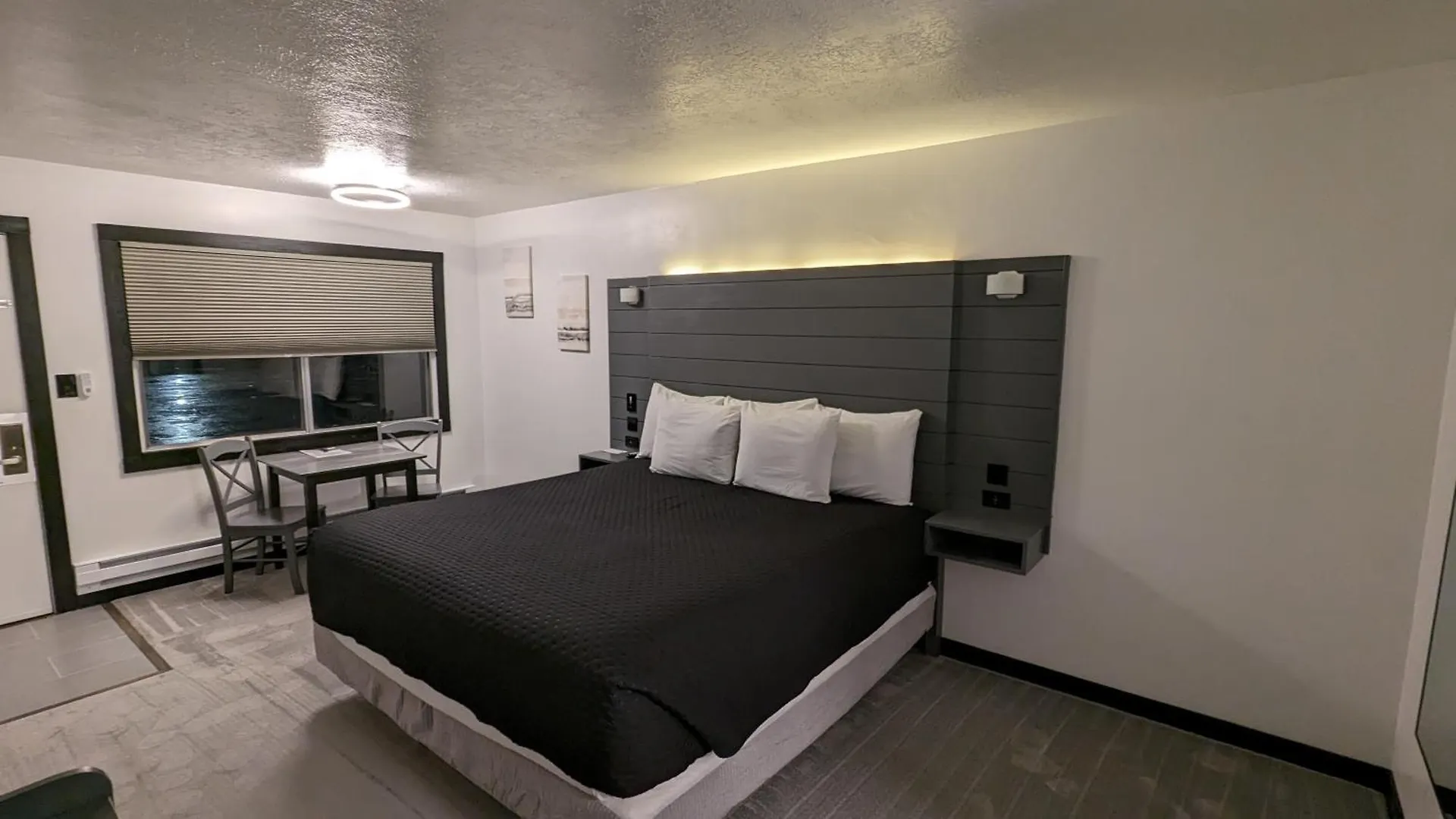
4. Candlewood Suites - Layton - Salt Lake City By Ihg
Show on map


 Check-infrom 15:00 until 23:59Check-outuntil 11:00
Rooms filling fast – secure the best rate!
fromUS$ 134
Smart Travel & Timing Advice for Utah
Utah's peak travel window runs from late May through early September, when all five national parks operate at maximum capacity and hotel rates along the I-15 and Highway 89 corridors increase sharply. July is the most congested month across the state, with Zion and Bryce Canyon requiring timed-entry permits and Bear Lake properties reaching full occupancy on most weekends. Shoulder seasons - particularly late September through October - deliver the best combination of manageable crowds, stable weather, and lower nightly rates, often around 25% below summer peaks. For winter travel, central Utah corridors like Fillmore and Salina remain accessible year-round and serve skiers heading toward Brian Head or Sundance resorts. Book at least 8 weeks ahead for any summer stay in Garden City or along the national park corridor; last-minute availability is rare and prices reflect scarcity. A minimum of two nights in any single Utah sub-region - Bear Lake, Salt Lake Valley, or the central I-15 corridor - allows enough time to properly explore the area rather than spending the majority of the stay on the road.