Tasmania's design hotel scene punches well above its size - from timber bungalows perched above the Tasman Sea to Swiss-inspired resort chalets set inside a working wine region. This guide covers 6 exceptional design hotels across Tasmania, comparing locations, room quality, and practical booking insights to help you make a confident decision before you arrive.
What It's Like Staying in Tasmania
Tasmania operates at a pace that rewards slow travel. Distances between key destinations - Hobart, Launceston, the East Coast, and the Northwest - are real, and most visitors underestimate how much driving is involved. A car is essential for reaching most design-forward properties, as public transport between regions is limited and infrequent. Crowds concentrate heavily in Hobart's Salamanca precinct and along the East Coast during the summer months of December through February, while the inland and northwest coast remain noticeably quieter year-round.
Pros:
- Compact island geography means you can combine coastal, wilderness, and wine region stays in a single trip
- Lower international tourist density compared to mainland Australia makes for a more intimate travel experience
- Design hotels here tend to sit within natural settings - bushland, coastline, valleys - that genuinely enhance the architecture
Cons:
- No rideshare or reliable public transport links between most design properties and regional towns
- Peak summer demand pushes availability low across the East Coast with bookings filling around 8 weeks in advance
- Winter (June-August) brings short daylight hours and some coastal properties reduce services or close entirely
Why Choose Design Hotels in Tasmania
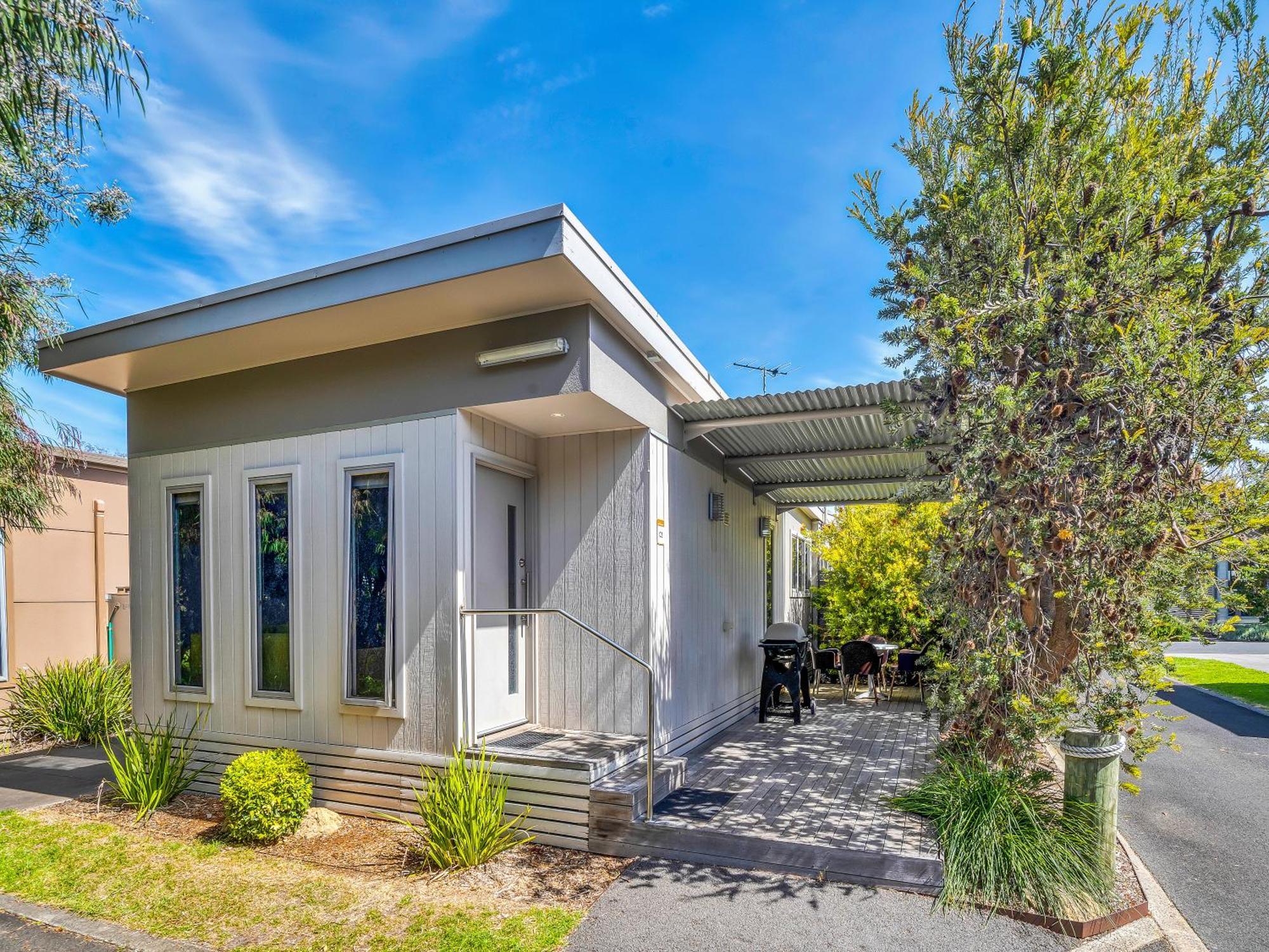
Design hotels in Tasmania are rarely about lobby grandeur - they lean instead into craftsmanship, site-specific architecture, and integration with the surrounding landscape. A standalone timber chalet on the East Coast or a resort built around a Swiss alpine village concept in the Tamar Valley delivers a visual and spatial experience that standard Tasmanian accommodation simply cannot match. Rates at design-oriented properties typically run around 40% higher than comparable standard hotels in the same region, but the gap narrows significantly outside peak season. Room configurations at these properties tend to be more generous - separate living areas and private terraces are common, not an upgrade.
Pros:
- Free-standing bungalows and chalets offer genuine privacy unavailable in standard hotel rooms
- Self-contained kitchens in several properties reduce dining-out costs significantly on longer stays
- Properties are curated for their setting - coastal outlooks, vineyard views, and native bushland backdrops are built into the design
Cons:
- Most design properties are outside Hobart and Launceston city centres, adding 10-20 minutes driving to urban dining and nightlife
- Amenities like full-service spas or concierge-level dining are limited outside the larger resort properties
- Some self-contained options lack daily housekeeping as standard, which suits some travellers but not all
Practical Booking & Area Strategy
Tasmania's design hotel accommodation clusters in four distinct zones: Hobart's airport corridor for transit flexibility, Launceston's outskirts for wine region access, the East Coast (Bicheno corridor) for Tasman Sea-facing stays, and the northwest coast around Burnie for travellers exploring Cradle Mountain or Arthur River. The Tamar Valley, just 15 minutes from Launceston CBD, is the strongest value zone for design-oriented stays - proximity to wine estates, golf, and walking trails means you need fewer day trips. On the East Coast, Bicheno sits within walking distance of the Blowhole, Whalers Lookout, and the Foreshore Footway, making it one of Tasmania's most walkable coastal bases. For Hobart arrivals, properties near the airport cut transfer friction but place you around 15 minutes by car from Salamanca Market and MONA. George Town on the Tamar River suits travellers crossing from the mainland who want a quiet first stop before heading south.
Booking at least 6 weeks ahead is advisable for East Coast properties between November and March. The northwest properties around Burnie see lighter demand and offer better last-minute availability outside the January school holiday peak.
Best Value Design Stays
These properties offer distinctive design character, strong on-site amenities, and competitive rates - making them the practical entry points into Tasmania's design hotel landscape.
-
1. Bicheno By The Bay
Show on map


 Check-infrom 14:00 until 23:59Check-outfrom 07:00 until 10:00
Just a few rooms left at the best rate!
fromAU$ 218
-
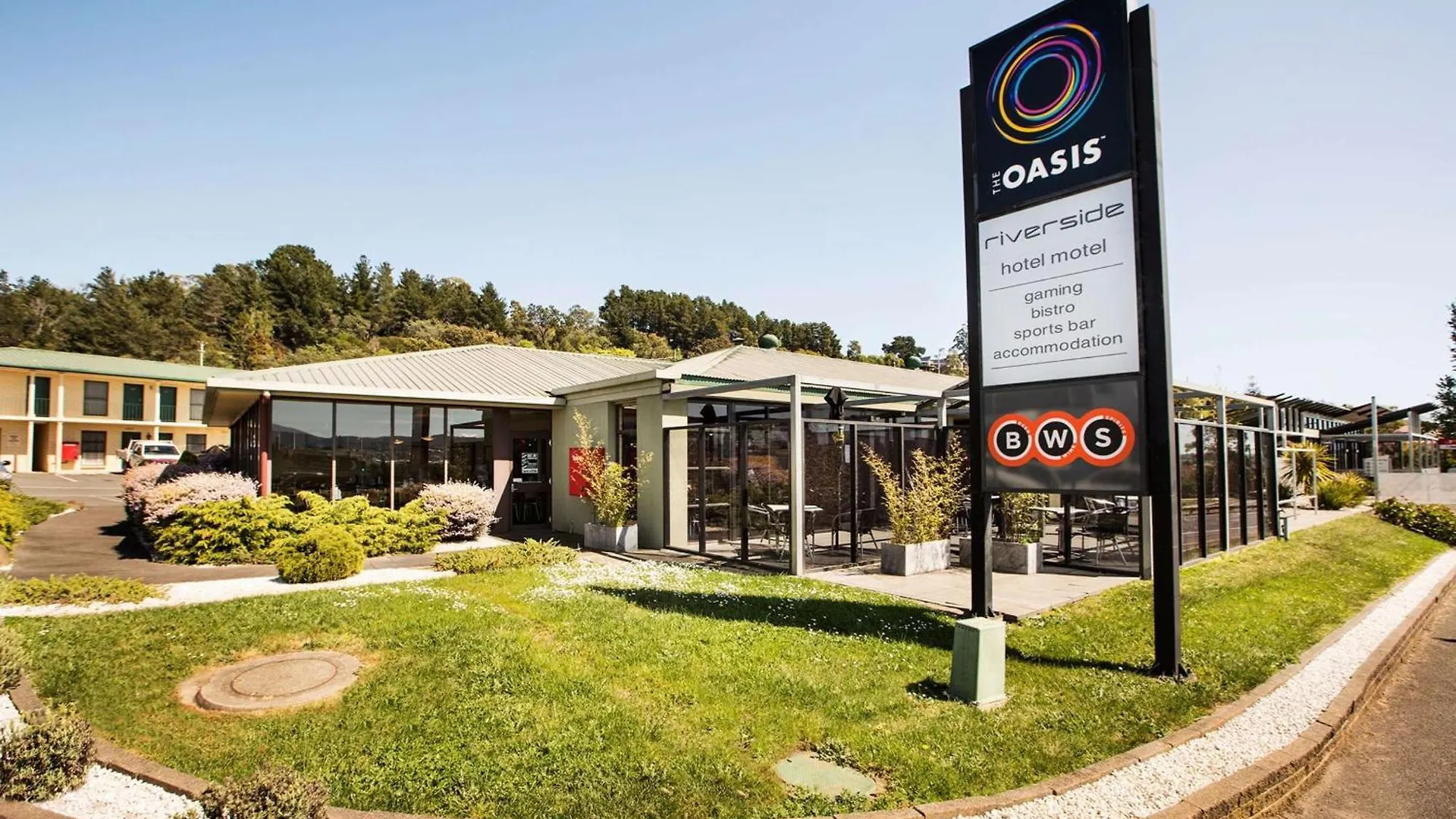
2. Nightcap At Riverside Hotel
Show on map


 Check-infrom 14:00 until 22:00Check-outuntil 10:00
Just a few rooms left at the best rate!
fromAU$ 86
-
3. Mantra Hobart Airport
Show on map


 Check-infrom 15:00 until 23:59Check-outuntil 11:00
Hurry – almost gone at this price!
fromAU$ 195
-
4. Burnie Central Townhouse Hotel
Show on map


 Check-infrom 14:00 until 20:30Check-outfrom 07:00 until 10:00
Hurry – almost gone at this price!
fromAU$ 139
Best Premium Design Stays
These two properties lead the selection in terms of setting ambition, on-site amenity breadth, and design character - suited to travellers prioritising experience over room rate efficiency.
-
5. Tamar Valley Resort Grindelwald
Show on map


 Check-infrom 14:00 until 23:59Check-outfrom 07:00 until 10:00
Rooms filling fast – secure the best rate!
fromAU$ 139
-
2. Comfort Inn The Pier
Show on map


 Check-infrom 14:00 until 20:00Check-outuntil 10:00
Rooms filling fast – secure the best rate!
fromAU$ 103
Smart Travel & Timing Advice for Tasmania
Tasmania's peak travel window runs from late December through February, when East Coast properties - particularly Bicheno and the Tamar Valley - fill quickly and prices climb noticeably. Booking at least 6 weeks ahead is the minimum buffer for East Coast design properties during this window; the Tamar Valley resort typically requires even earlier commitment for chalet-style accommodation over the Christmas-New Year period. March through May is broadly the best value window: weather remains stable, crowds thin measurably, and last-minute availability opens up at the Burnie and Launceston-area properties. Winter (June-August) suits experienced travellers chasing solitude and lower rates - the Tamar Valley and northwest properties remain fully operational, but some East Coast self-contained cottages reduce their season. A stay of 3 nights minimum is the practical threshold for properties like Bicheno by the Bay and Tamar Valley Resort, where the on-site amenities and surrounding activities justify slower-paced exploration. For airport-adjacent stays near Hobart, 1-2 nights is sufficient as a transit buffer; anything longer benefits from moving into a more scenically positioned property.