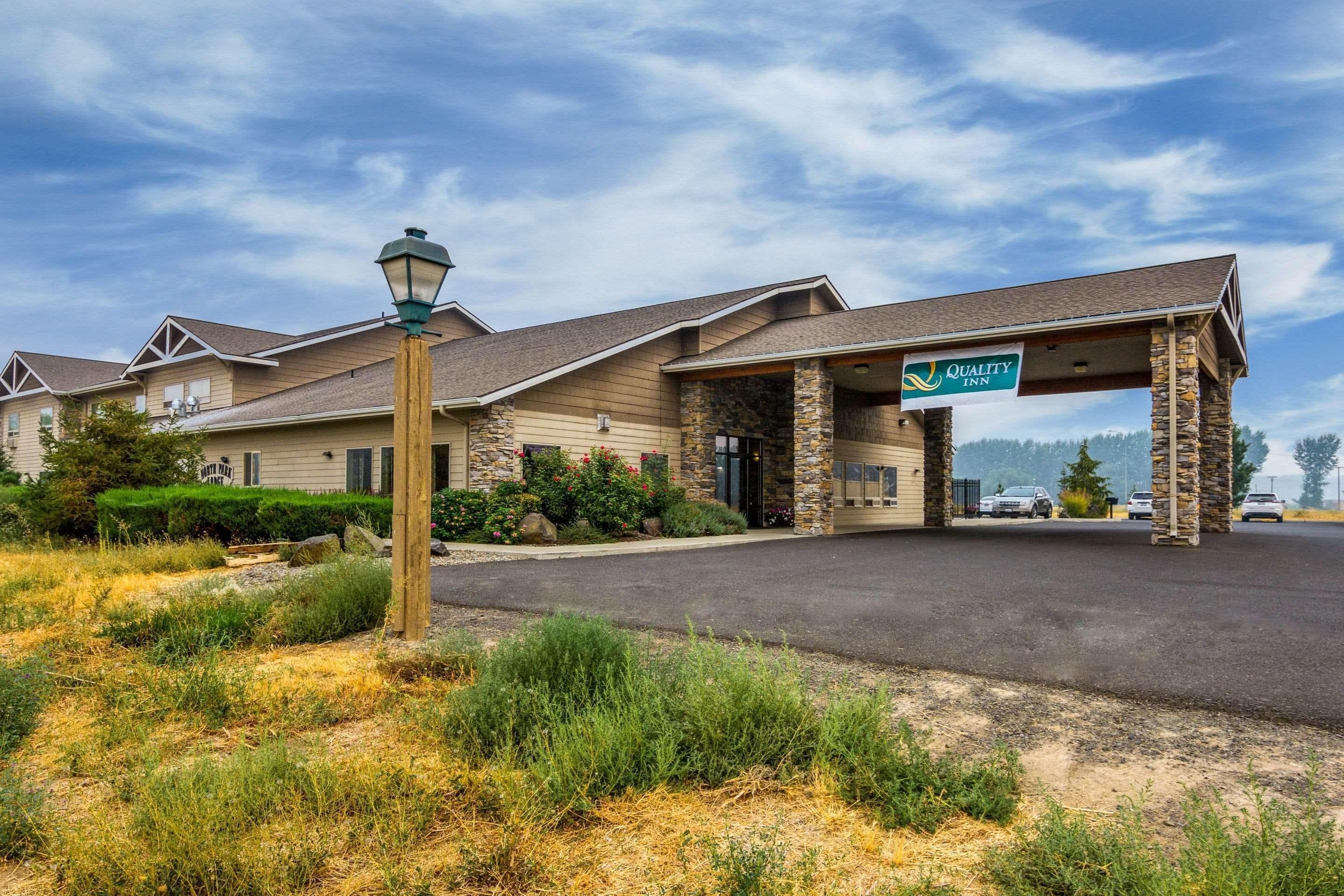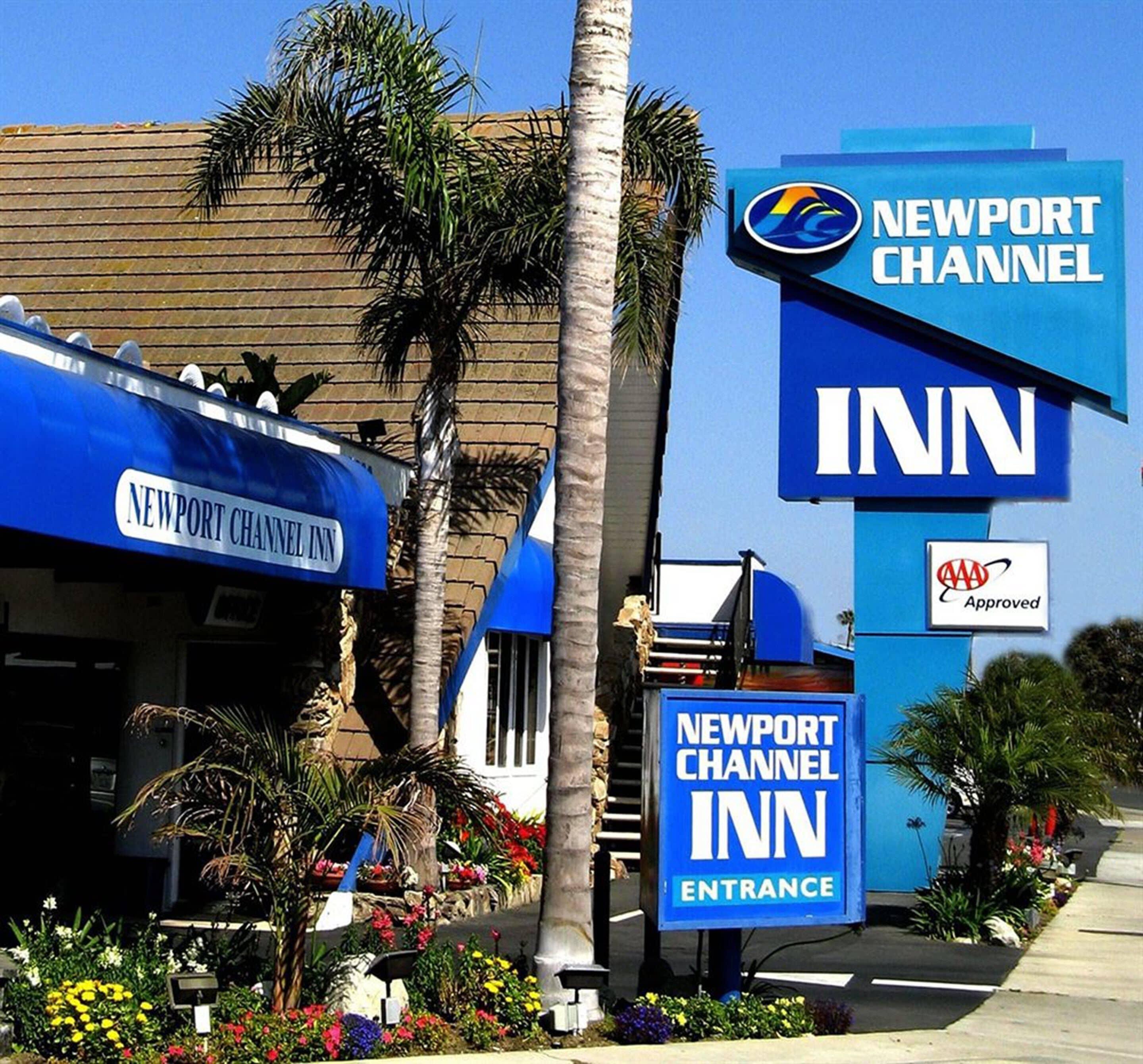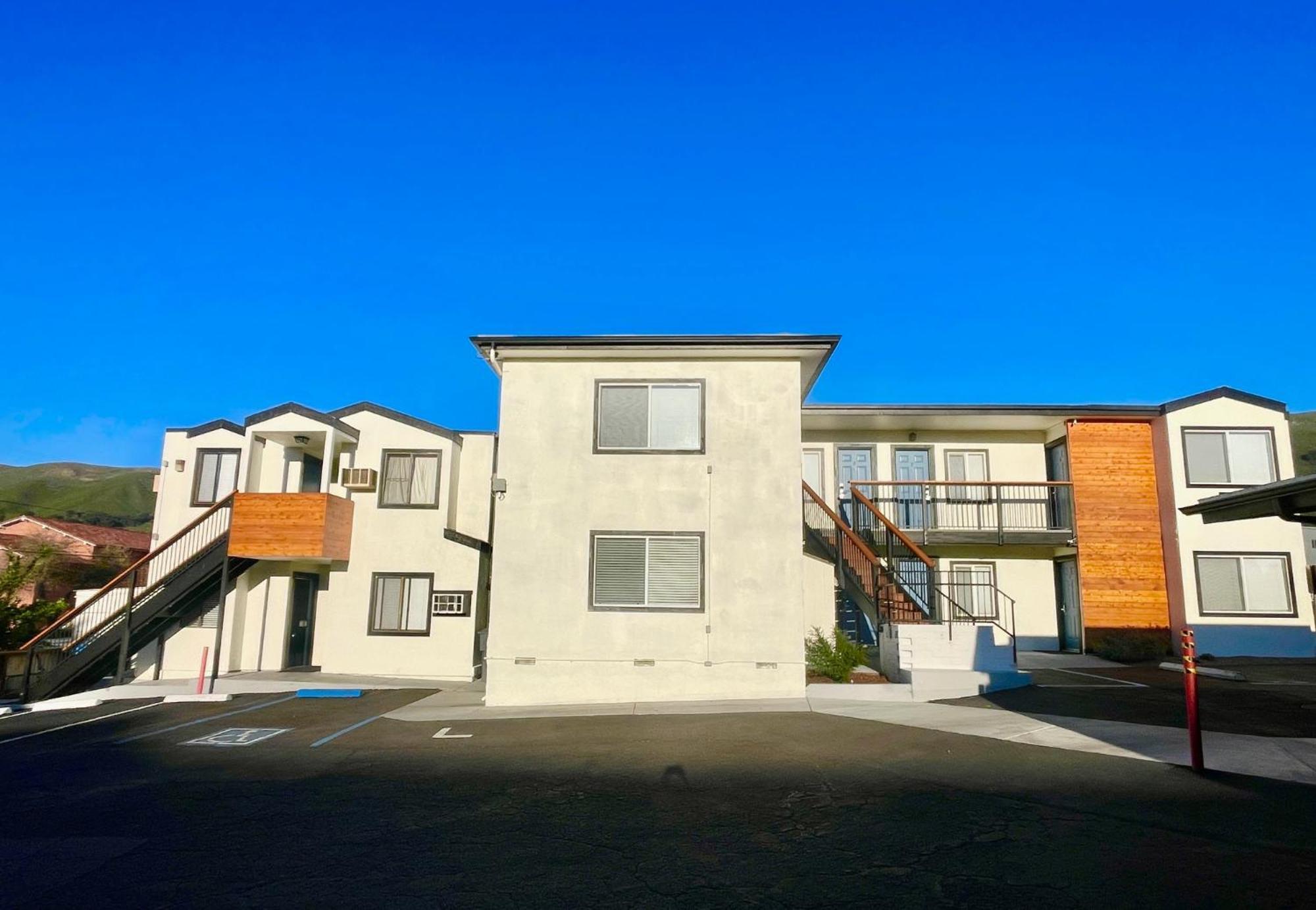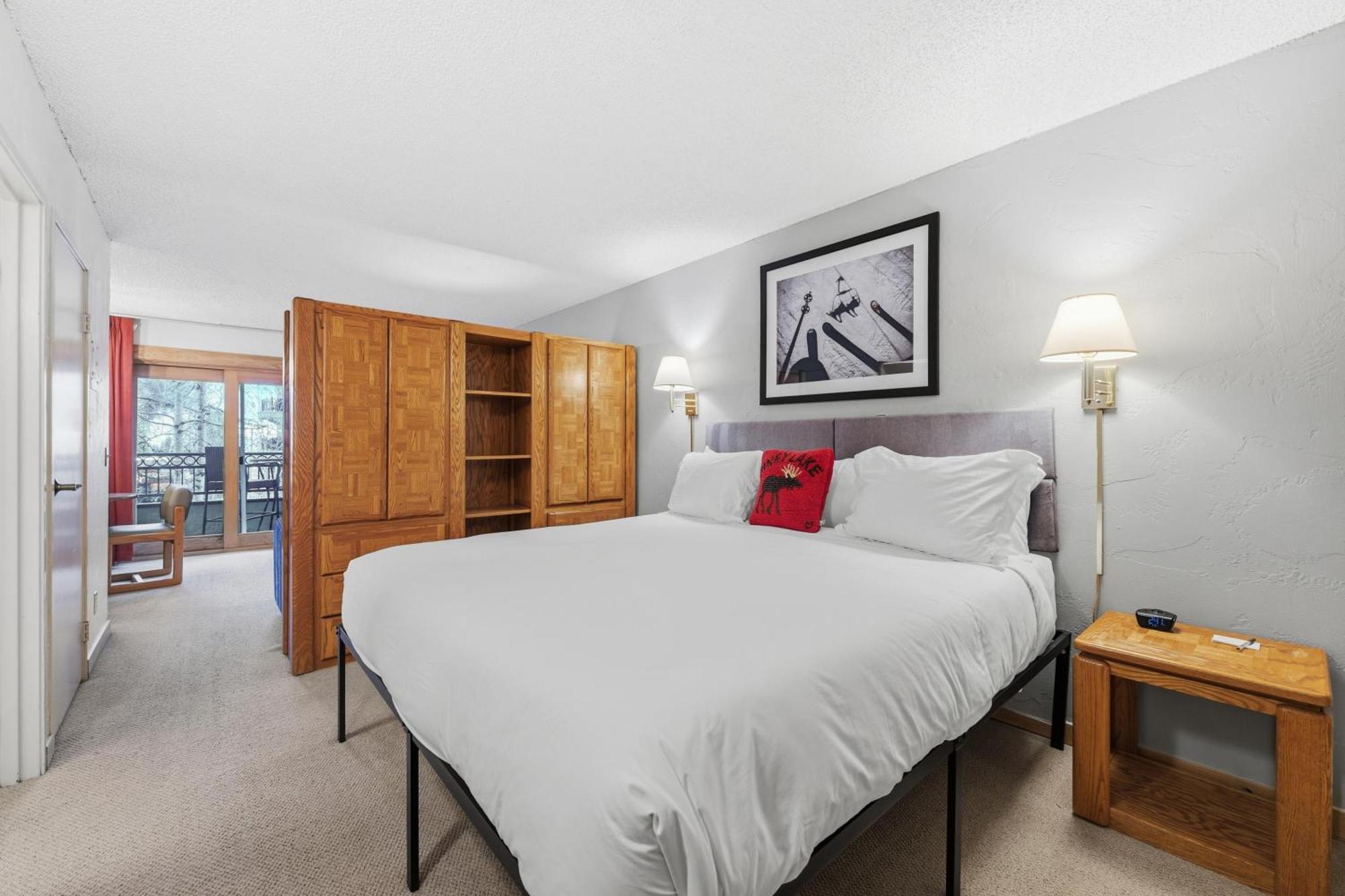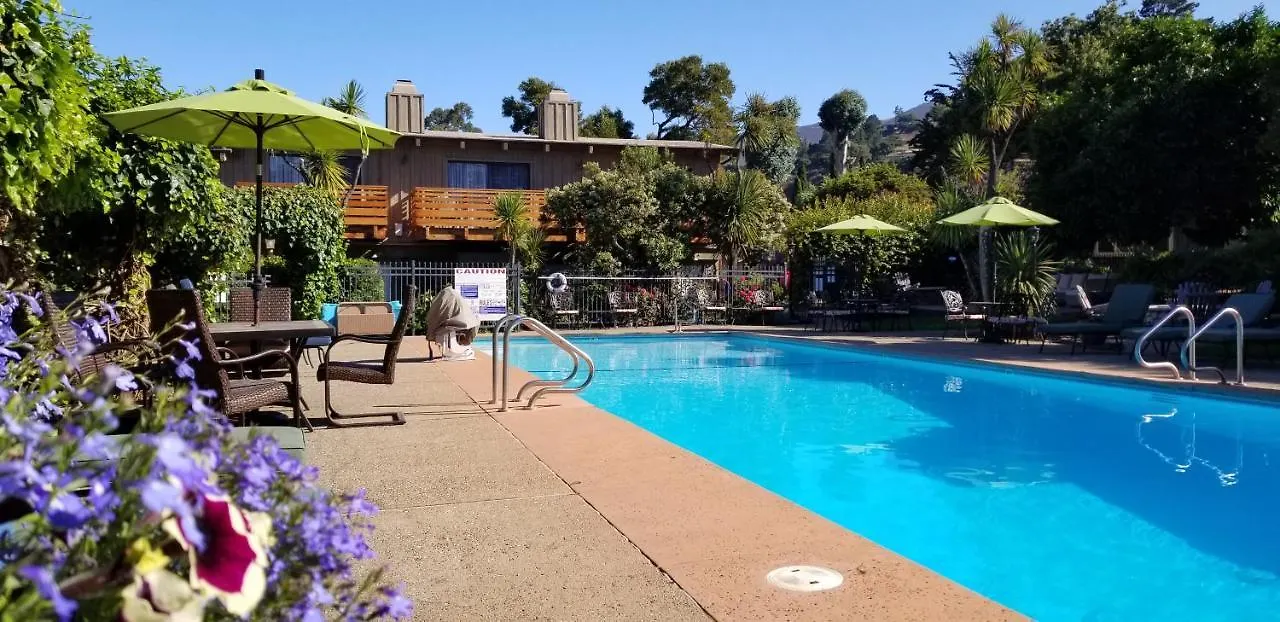
Central Coast California stretches roughly 400 miles between Los Angeles and San Francisco, covering dramatically different micro-destinations - from the redwood canyons of Big Sur to the wine country of Carmel Valley and the beachfront communities of Port Hueneme and Cambria. Choosing a centrally located hotel here means positioning yourself within reach of multiple key attractions without committing to a single town. The hotels in this guide are spread across the region's most strategic hubs, giving travelers a genuine basis for comparison before booking.
What It's Like Staying In Central Coast California
Central Coast California is not a single destination - it is a chain of distinct communities connected by Highway 1 and US-101, each with its own rhythm and character. No single transit system links the region, which means car access is essentially mandatory for exploring beyond your immediate town. Crowd density varies sharply: Carmel and Big Sur see heavy tourist traffic in summer and on weekends, while inland towns like Los Alamos and Carmel Valley remain quieter year-round, attracting visitors who want proximity to wine country without the coastal premium pricing.
Travelers who benefit most from staying here are those combining outdoor activities - hiking, whale watching, wine tasting - with a slower, non-urban pace. Those expecting walkable city infrastructure or frequent public transit will find most towns undersized for those needs. The region rewards self-directed travelers with a rental car, not those relying on urban amenities.
Pros:
Unique access to Big Sur, Hearst Castle, Carmel-by-the-Sea, and Santa Barbara wine country within a single road trip corridor
Around 300 days of sunshine annually, making outdoor activities viable most of the year
Far less urban congestion than Los Angeles or San Francisco, with genuine natural scenery minutes from most hotels
Cons:
A personal vehicle is non-negotiable - public transit between towns is infrequent and slow
Coastal towns like Carmel and Big Sur see significant weekend crowding from Bay Area and LA day-trippers
Dining and activity options in smaller inland towns are limited, especially after 8 p.m.
Why Choose Central Hotels In Central Coast California
Central hotels across this region function more as base camps than urban lodges - they are chosen for proximity to specific attractions rather than for being in a dense hotel district. Unlike the beachfront resorts of Malibu or the convention hotels of San Jose, the centrally positioned properties here typically offer smaller room counts, more personalized service, and direct access to nature-based activities. Bed and breakfast properties dominate the mid-tier, often occupying historic buildings with strong local character that chain hotels in the region simply cannot replicate.
Price positioning across these central hotels varies significantly by location rather than by star rating. A well-positioned lodge in Carmel Valley may charge similar rates to a coastal B&B in Cambria, but deliver fundamentally different surroundings. Room sizes tend to be more generous than in coastal urban hotels, particularly in properties set in garden or rural settings, where private patios and fireplaces are standard rather than premium add-ons. The trade-off is that dining options are rarely walkable - most guests depend on the on-site breakfast and drive to dinner.
Pros:
Fireplaces, private patios, and garden settings are common even at mid-range price points - features that cost significantly more in urban California hotels
Many properties are in quieter locations, meaning lighter foot traffic, less street noise, and a noticeably calmer atmosphere than coastal resort towns
Breakfast is typically included or available on-site, reducing daily meal costs in areas where good restaurants require a drive
Cons:
Restaurant access requires a car almost everywhere - spontaneous evening walks to dinner are rarely possible
Properties with around 5 to 10 rooms book out weeks in advance during summer and holiday weekends, limiting flexibility for late planners
Amenities like fitness centers and business facilities are limited compared to branded chain hotels in larger cities
Practical Booking & Area Strategy
The Central Coast's geography forces a real strategic decision: do you anchor in one town or plan a multi-stop itinerary? For travelers focused on Big Sur and Carmel, properties in Carmel Valley offer the best balance - inland quiet, 15 minutes to Carmel-by-the-Sea, and around one hour from Big Sur by car. For those prioritizing Hearst Castle and the northern coast, Cambria is the logical base, placing you 13 km from the castle without paying Cambria's limited hotel premium. Port Hueneme works well for travelers arriving via Oxnard Airport or visiting Naval Base Ventura County, with Port Hueneme Beach Park under 10 minutes on foot. Summerland, just south of Santa Barbara, suits those combining wine country with UCSB visits or Amtrak connections.
Peak season runs from late June through early September, when coastal Highway 1 experiences heavy traffic and coastal accommodations fill up fast. Booking at least 6 weeks ahead is strongly advised for summer travel, particularly for small B&Bs. The shoulder seasons - April through May and October through November - offer lighter crowds, lower rates, and access to seasonal amenities like outdoor pools. Los Alamos and Carmel Valley remain some of the most underrated wine-tasting zones on the Central Coast, with far fewer visitors than Paso Robles or Napa, making them worth considering for travelers who prioritize access over coastal views.
Best Value Stays
These properties offer strong positioning across the Central Coast, combining practical amenities with direct access to key regional attractions at competitive price points relative to their locations.
-
1. Carmel Valley Lodge
Show on map


 Check-infrom 15:00 until 20:30Check-outuntil 11:00
Just a few rooms left at the best rate!
fromUS$ 98
-
2. Contenta Inn
Show on map


 Check-infrom 15:30 until 19:00Check-outuntil 11:00
Just a few rooms left at the best rate!
fromUS$ 214
-
3. Holiday Inn Express Port Hueneme By Ihg
Show on map


 Check-infrom 15:00 until 23:59Check-outuntil 11:00
Just a few rooms left at the best rate!
fromUS$ 185
Best Premium Stays
These four properties each offer a distinct character-driven experience - from a riverside Big Sur retreat to a historic Victorian B&B in the Santa Ynez Valley wine corridor - that goes beyond standard accommodation to deliver something specific to their Central Coast location.
-
1. Big Sur River Inn
Show on map


 Check-infrom 16:00 until 21:00Check-outuntil 12:00
Hurry – almost gone at this price!
fromUS$ 240
-
5. The Squibb Houses
Show on map


 Check-infrom 15:00 until 22:00Check-outuntil 11:00
Hurry – almost gone at this price!
fromUS$ 135
-
3. Inn On Summerhill
Show on map


 Check-infrom 15:00 until 20:30Check-outfrom 07:00 until 11:00
Rooms filling fast – secure the best rate!
fromUS$ 299
-
7. Victorian Mansion Bed And Breakfast Inn
Show on map


 Check-infrom 15:00 until 18:00Check-outuntil 11:00
Rooms filling fast – secure the best rate!
fromUS$ 255
Smart Travel & Timing Advice For Central Coast California
The Central Coast's optimal travel window runs from late April through early June and again in September through October - shoulder periods when coastal fog has largely lifted, summer crowds have not yet arrived or have dispersed, and accommodation rates drop noticeably compared to peak season. July and August bring the heaviest crowds along Highway 1, particularly around Big Sur and Carmel, with weekend traffic capable of adding 45 minutes or more to driving times between towns. Whale watching season peaks between December and April along the Monterey Bay corridor, drawing a different type of visitor and filling smaller B&Bs faster than many travelers expect in the off-season.
For most itineraries covering Carmel Valley, Big Sur, and Cambria, a minimum of 4 nights is needed to experience the region without feeling rushed - 3 nights is workable if you are anchoring in a single subregion. Booking at least 8 weeks ahead is essential for properties with fewer than 10 rooms during summer and over long weekends such as Memorial Day, Labor Day, and Thanksgiving. Last-minute availability occasionally appears at larger branded properties like Holiday Inn Express Port Hueneme, but historic inns and B&Bs across the region consistently sell out weeks in advance for their best rooms. Visiting Los Alamos and Carmel Valley for wine tasting on weekdays rather than weekends results in a significantly more relaxed experience with better cellar access and shorter wait times.