The Washington D.C. Area covers a sprawling metro zone that extends into Virginia and Maryland, giving budget travelers a wide range of affordable hotel options well beyond the expensive downtown core. From Manassas and Woodbridge in Northern Virginia to Greenbelt and Frederick in Maryland, staying outside the capital's central neighborhoods can cut accommodation costs significantly while keeping major attractions within reach by car or metro.
What It's Like Staying in the Washington D.C. Area
The Washington D.C. metro area is one of the most visited regions in the United States, home to free Smithsonian museums, national monuments, the U.S. Capitol, and major Civil War sites in surrounding Virginia and Maryland. Traffic congestion is heavy, particularly on I-66, I-95, and the Beltway (I-495), which makes location and transport planning critical for any stay. Budget hotels are concentrated in suburban corridors where free parking is standard, making them best suited for road-trippers, families driving in, and travelers prioritizing space and savings over walkability.
Staying in the suburbs means you'll likely depend on a car or WMATA Metro commuter lines to reach D.C. attractions. The region's Metro system connects several suburban hubs directly to downtown D.C., with some budget hotel clusters sitting within a short drive of a Metro station. Visitors seeking walkable nightlife or instant access to the National Mall will find suburban stays less convenient, though the cost difference makes it worthwhile for many.
Pros:
- Free parking is almost universally available at budget hotels in suburban Virginia and Maryland, eliminating daily garage fees that can exceed $40 in downtown D.C.
- Budget properties in the area consistently offer more room space - including microwaves, refrigerators, and seating areas - than comparably priced downtown options.
- Many suburban hotels sit close to interstate highways, making day trips to Shenandoah National Park, Colonial Williamsburg, or Annapolis straightforward.
Cons:
- Reaching the National Mall or Capitol Hill from most suburban budget hotels requires at least 30 minutes by car or Metro, with peak-hour commutes stretching longer.
- Dining and walkable entertainment options near budget hotels in areas like Thornburg or Woodbridge are limited compared to D.C. neighborhoods.
- Some budget corridors along I-95 and Route 1 have heavy commercial surroundings, with little pedestrian-friendly environment around the properties.
Why Choose Budget Hotels in the Washington D.C. Area
Budget hotels in the Washington D.C. metro suburbs regularly deliver nightly rates that run around 50% lower than comparable rooms inside the District, making them a practical choice for families, road trippers, and travelers spending multiple nights. Most budget properties here include free parking, free WiFi, and breakfast options - amenities that often cost extra at mid-range hotels closer to downtown. The trade-off is almost always proximity: you gain space and savings but lose walkability to the core sightseeing areas.
In this specific region, budget hotels serve a dual function - they work as a base for D.C. day trips and as a stopover point along the I-95 corridor between the Northeast and the Southeast. Free parking and pool access at suburban properties add family travel value that downtown hotels rarely match at this price level. Expect rooms to be functional and larger than city-center equivalents, though lobby areas and on-site dining will be minimal.
Pros:
- Nightly rates at budget hotels in suburban Virginia and Maryland are consistently lower than D.C. city hotels, with free parking adding further savings for drivers.
- Many budget hotels in this corridor include complimentary breakfast, an outdoor or indoor pool, and fitness facilities - practical extras for families and longer stays.
- Proximity to major interstates (I-66, I-95, I-270) gives budget guests fast access to multiple destinations across the broader mid-Atlantic region.
Cons:
- On-site dining at budget properties is typically limited to a complimentary breakfast buffet, with few walkable restaurant options nearby in more suburban locations.
- Seasonal demand spikes - particularly spring cherry blossom season and summer - push even budget hotel rates upward across the entire metro area.
- Properties near busy interstate exits can experience road noise, particularly in rooms facing the highway side of the building.
Practical Booking & Area Strategy for Budget Stays
For budget travelers using a car, the Woodbridge and Manassas corridor in Northern Virginia offers a strong balance of affordability and highway access - Woodbridge sits around 46 km from downtown D.C. via I-95, while Manassas connects directly to the capital via I-66, where express lanes make commuting faster. Greenbelt in Maryland is particularly well-positioned for Metro access, with the Greenbelt station on the Green and Yellow Lines providing a direct ride into downtown D.C. without the need for a car. Frederick, MD suits travelers combining a D.C. visit with western Maryland exploration or Civil War history sites such as Antietam National Battlefield, located around 25 km from the city. Thornburg, Virginia, sits further south along I-95 and works best as an overnight stop rather than a daily commute base for D.C. sightseeing, given the driving distance involved.
Spring - particularly late March through late April - is the peak demand window for the entire D.C. metro area, driven by the National Cherry Blossom Festival, school trips, and spring break travel. Book budget hotels at least 6 weeks ahead for spring travel to avoid rate surges. Summer also sees high occupancy near family-oriented attractions like Kings Dominion and Six Flags America, pushing rates up in surrounding budget hotel clusters. Fall offers the best combination of lower prices, mild weather, and manageable crowds at major D.C. landmarks.
Best Value Budget Hotels
These properties offer the lowest price points in the Washington D.C. metro area while still covering the practical essentials - free parking, WiFi, and usable room amenities - for road trippers and overnight stopover guests.
-
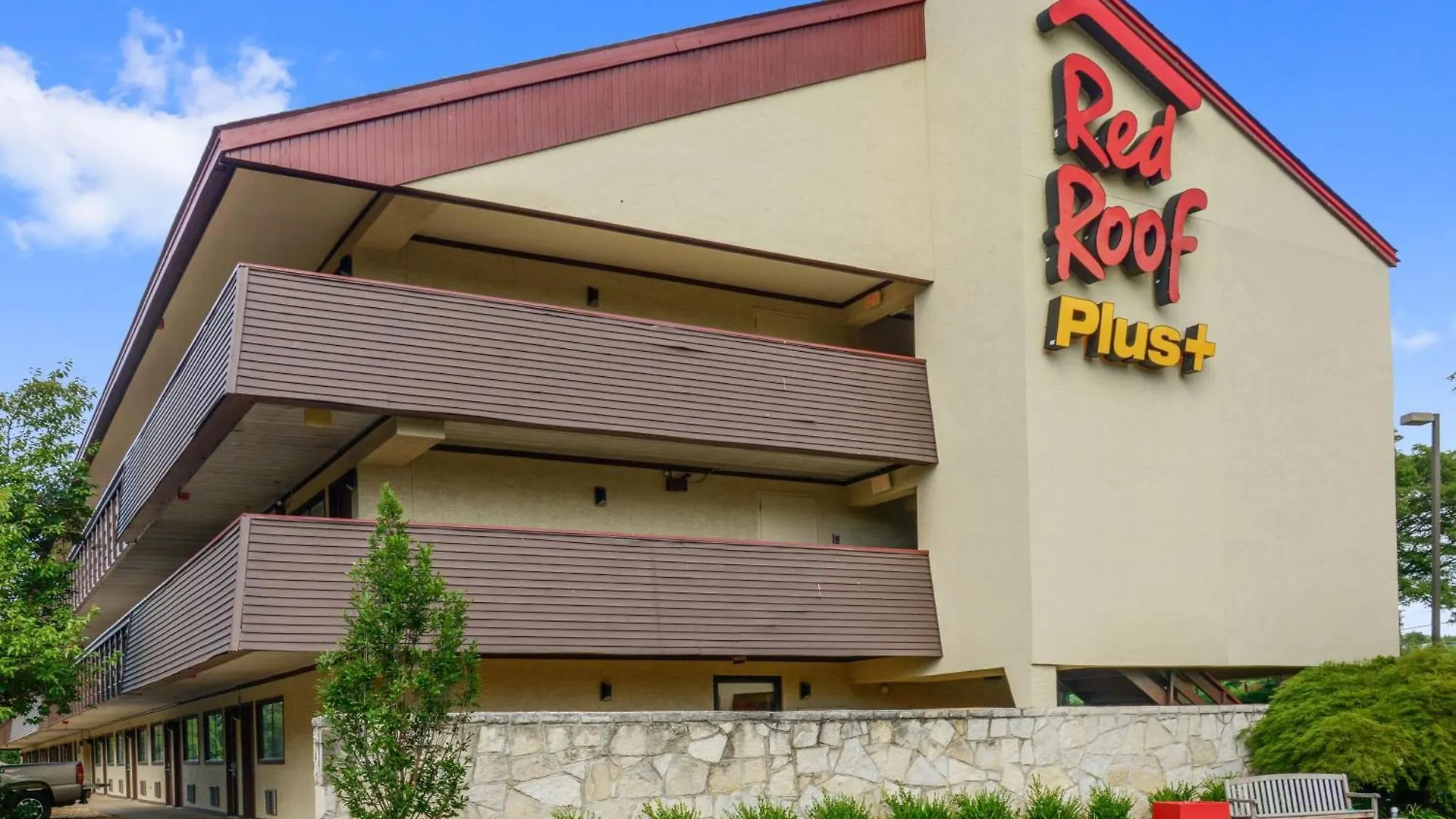
1. Red Roof Inn Plus+ Washington Dc - Manassas
Show on map


 Check-infrom 15:00 until 23:59Check-outuntil 11:00
Just a few rooms left at the best rate!
fromUS$ 72
-
2. Motel 6-Frederick, Md - Fort Detrick
Show on map


 Check-infrom 15:00 until 23:59Check-outuntil 11:00
Just a few rooms left at the best rate!
fromUS$ 74
-
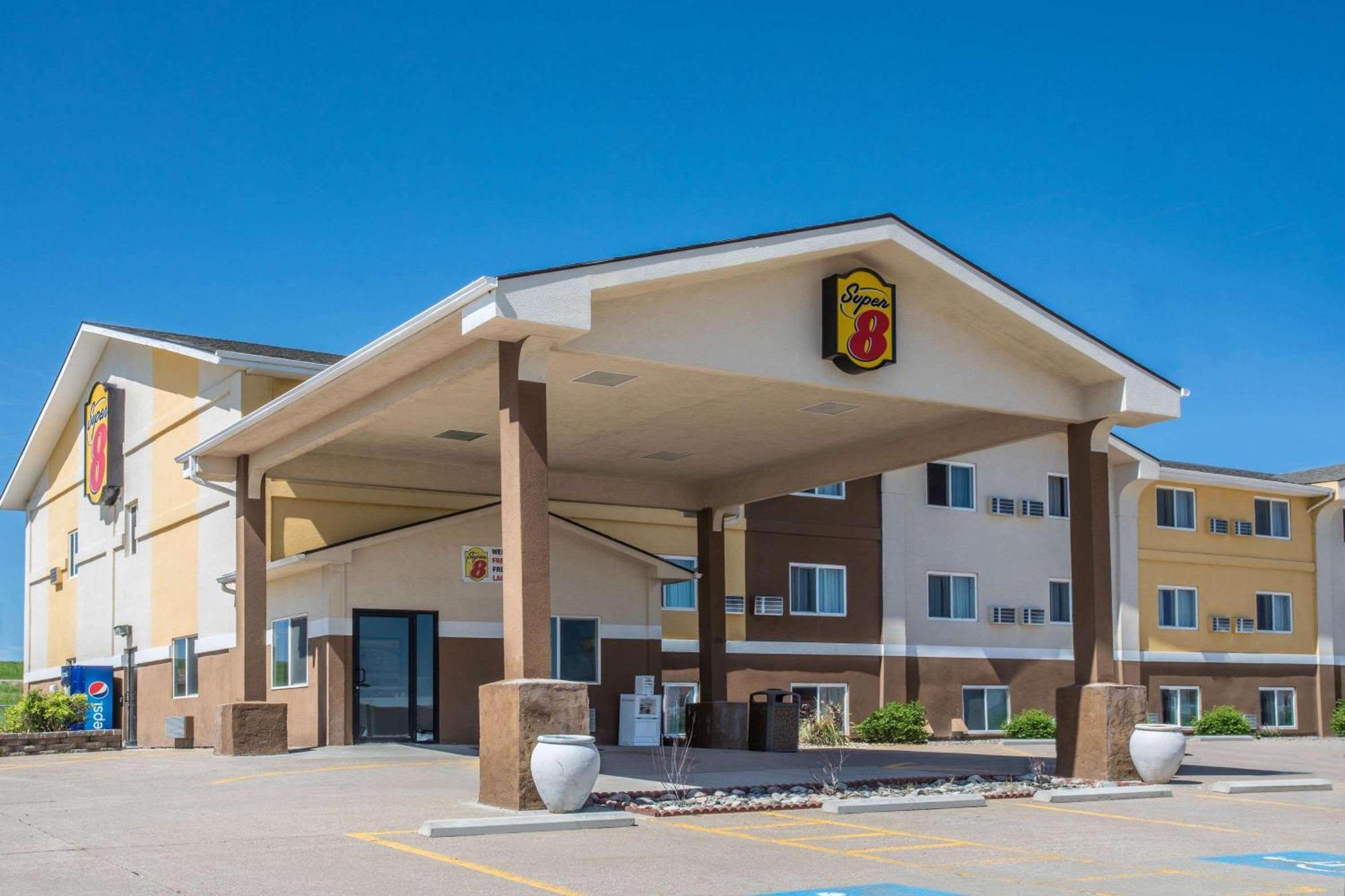
3. Super 8 By Wyndham Frederick
Show on map


 Check-infrom 15:00 until 23:59Check-outuntil 11:00
Hurry – almost gone at this price!
fromUS$ 49
Best Mid-Range Budget Picks
These properties step up from bare-bones budget to offer more amenities - pools, breakfast, fitness centers - while maintaining rates well below D.C. city-center hotels, making them the most cost-effective option for families and multi-night stays.
-
4. Best Western Potomac Mills
Show on map


 Check-infrom 15:00 until 23:59Check-outuntil 12:00
Hurry – almost gone at this price!
fromUS$ 79
-
5. Holiday Inn Washington D.C. - Greenbelt Maryland By Ihg
Show on map


 Check-infrom 15:00 until 23:59Check-outuntil 12:00
Rooms filling fast – secure the best rate!
fromUS$ 124
-
6. Holiday Inn Express Hotel & Suites Thornburg-S. Fredericksburg By Ihg
Show on map


 Check-infrom 15:00 until 23:59Check-outuntil 12:00
Rooms filling fast – secure the best rate!
fromUS$ 82
Smart Timing & Booking Advice for Budget Hotels in the D.C. Area
The Washington D.C. metro area has two distinct demand spikes annually. Spring - driven primarily by the National Cherry Blossom Festival, which peaks in late March and early April - sees budget hotel availability tighten across both Virginia and Maryland suburbs, with rates climbing sharply even in outlying areas like Thornburg and Frederick. Book at least 6 weeks in advance for any spring travel to the region to secure the lowest available budget rates. Summer is the second busiest period, particularly July and August, when school vacations fill family-oriented properties near attractions like Kings Dominion, Six Flags America, and Potomac Mills.
The best value windows for budget hotel stays in the D.C. area are late January through mid-February and mid-November through early December, when demand drops significantly and rates at suburban properties fall. A stay of 2 nights is typically the practical minimum for day-tripping into D.C. from suburban budget hotels, as one full day rarely covers even a single Smithsonian museum and major monument visit. Fall foliage season in October offers a strong mid-ground - mild weather, active sightseeing conditions, and rates that are lower than summer but still slightly elevated compared to the winter off-season. Last-minute booking can work in January and February but carries high risk during any federal holiday weekend, when government workers and school groups flood the entire metro area.