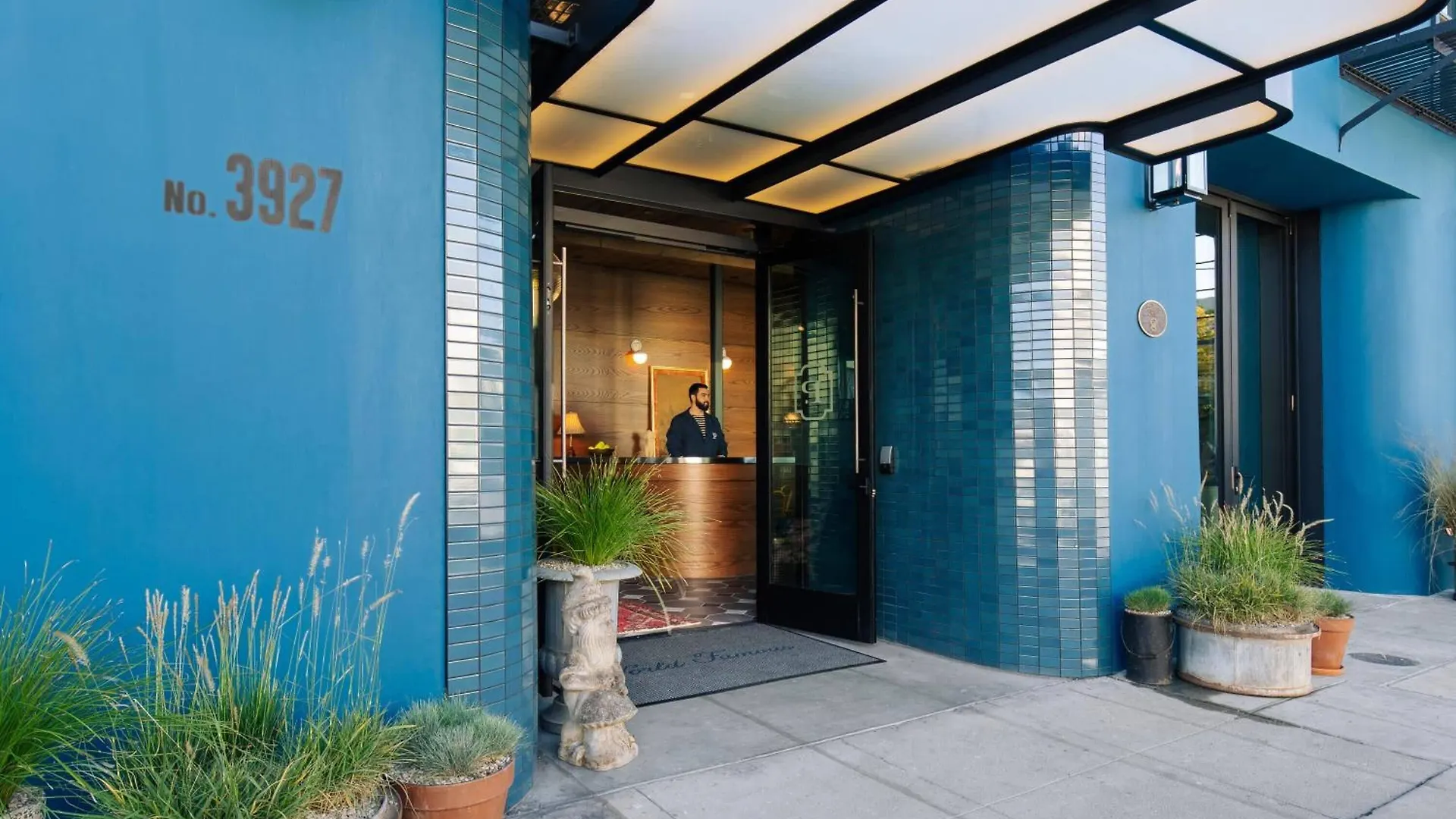
Southern California spans over 56,000 square miles of coastline, desert, and urban sprawl, making your choice of base far more consequential than in a compact destination. These five 4-star hotels stretch from Los Angeles to Santa Barbara and Joshua Tree, each anchored in a distinct environment with different crowds, pace, and access to SoCal's most-visited attractions.
What It's Like Staying in Southern California
Southern California is not one destination - it is a network of distinct cities and landscapes connected almost entirely by car. Los Angeles alone spans around 500 square miles, meaning a hotel in Culver City and one in Hollywood serve completely different travel itineraries. Coastal cities like Santa Barbara offer a walkable core, while desert destinations like Joshua Tree require a rental car and deliberate planning. The region attracts beach travelers, national park visitors, film and entertainment tourists, and wellness retreaters, each gravitating toward different sub-regions.
Crowds peak hard between June and August along the coast, while desert areas like Joshua Tree see their busiest season from October through April. Traffic on the I-10 and I-405 corridors can turn a 20-minute drive into 90 minutes during peak hours, making hotel location one of the highest-impact booking decisions you'll make in SoCal.
Pros:
- Extraordinary variety of environments within a single trip - coast, city, desert, and mountains all accessible
- Year-round warm weather makes outdoor activities viable in almost every month
- Strong 4-star hotel density in key corridors, offering genuine quality without full luxury pricing
Cons:
- Car dependency in most areas means transport costs add up quickly and parking fees at hotels can be significant
- Popular coastal zones like Santa Barbara and Venice Beach get heavily congested from late spring through summer
- Distances between attractions are deceptive - Joshua Tree to Los Angeles is around 2.5 hours without traffic
Why Choose 4-Star Hotels in Southern California
In Southern California, 4-star hotels occupy a very practical sweet spot: they deliver amenities like pools, on-site dining, and reliable air conditioning without the $500-plus nightly rates common at five-star resort properties in Beverly Hills or Laguna Beach. In coastal cities like Santa Barbara, a 4-star inn typically runs around $250-$350 per night in shoulder season and provides direct beach access or walkable proximity that budget options simply cannot match. In Los Angeles neighborhoods like Culver City, 4-star positioning means design-forward rooms, private parking, and restaurant service - all of which matter significantly when you're navigating a city with no metro access to most attractions.
Room sizes in SoCal's 4-star segment vary sharply by location: boutique-style properties in Joshua Tree or mountain areas offer more physical space and private outdoor areas than urban 4-star hotels in LA, where rooms trend smaller but amenities are denser. Noise levels and foot traffic are a real consideration in urban properties - particularly in Culver City where street-level activity runs late - while desert and mountain properties offer near-complete quiet at the trade-off of total car dependence.
Pros:
- Consistent amenity quality - pools, WiFi, parking, and dining - without full resort pricing
- Strong location positioning in SoCal's 4-star tier, often within walking distance of key coastal or neighborhood attractions
- Better cancellation policies and service standards than budget alternatives in the same areas
Cons:
- Urban 4-star properties in LA charge parking fees that can add $30-$50 per night to the effective rate
- Mid-tier does not guarantee quiet - some properties sit on active commercial streets with noise into the night
- Desert and mountain 4-star properties require full car dependence for meals and activities beyond the property
Practical Booking & Area Strategy for Southern California
Your base city in Southern California defines your entire itinerary more than almost anywhere else in the US. Culver City positions you efficiently between LAX, Venice Beach, and the Westside's museums, making it one of LA's most logistically sensible neighborhoods for first-time visitors who want to cover ground. Santa Barbara is best approached as a standalone coastal destination - it pairs poorly with Joshua Tree in a single trip due to the distance - and its East Beach corridor puts you within walking range of the waterfront, State Street, and the historic Mission. Joshua Tree requires arriving with a fully stocked car; the nearest significant town, Twentynine Palms, has limited dining options, and the national park's most dramatic rock formations are accessed from trailheads spread across a large area requiring driving between each.
For timing, book Santa Barbara hotels at least 6 weeks ahead for any summer weekend, as the city's limited hotel inventory sells out fast. Joshua Tree's peak season runs October through April and coincides with ideal hiking temperatures; summer visits to the desert are feasible but brutal above 100°F. Lake Arrowhead, sitting at around 5,000 feet elevation in the San Bernardino Mountains, offers a genuine escape from LA heat and is around 90 minutes from downtown Los Angeles, making it viable for a long weekend without flying.
Best Value Stays
These properties deliver strong 4-star positioning - location, amenities, and experience - at price points that justify the trip without requiring a luxury budget.
-
1. Palihotel Culver City
Show on map


 Check-infrom 15:00 until 23:59Check-outuntil 11:00
Just a few rooms left at the best rate!
fromUS$ 285
-
2. Blue Sands Inn, A Kirkwood Collection Hotel
Show on map


 Check-infrom 16:00 until 22:00Check-outuntil 11:00
Just a few rooms left at the best rate!
fromUS$ 215
-
3. Sacred Sands
Show on map


 Check-infrom 16:00 until 21:00Check-outfrom 10:00 until 11:00
Hurry – almost gone at this price!
fromUS$ 450
Best Premium Stays
These properties offer elevated or unique positioning - whether through setting, exclusivity, or destination-specific experience - that justifies a higher nightly investment in Southern California.
-
4. Ucla Lake Arrowhead Lodge
Show on map


 Check-infrom 16:00 until 23:59Check-outfrom 07:00 until 11:00
Hurry – almost gone at this price!
fromUS$ 129
-
5. The Capistrano Coast House
Show on map


 Check-infrom 16:00 until 22:00Check-outuntil 11:00
Rooms filling fast – secure the best rate!
fromUS$ 209
Smart Travel & Timing Advice for Southern California
Southern California's seasons vary significantly by sub-region, and booking strategy should account for this. Coastal cities like Santa Barbara peak in July and August, when nightly rates climb and East Beach fills by mid-morning - booking around 8 weeks ahead for summer weekends is strongly advised. Joshua Tree's optimal window runs November through March, when daytime temperatures sit between 60°F and 70°F and the night sky viewing is at its best; summer visits are possible but temperatures regularly exceed 105°F, which limits trail access to early mornings only.
Los Angeles hotel rates are highest during major events - awards season in late winter, summer blockbuster releases near studios, and major concerts at SoFi Stadium - and Culver City properties fill fast during these periods. Lake Arrowhead sees its busiest season in summer when LA residents flee the heat, and a second spike around fall foliage in October. A minimum of two nights is necessary at any desert or mountain property to justify the drive time and allow meaningful exploration; one-night stays at Joshua Tree or Lake Arrowhead rarely allow guests to cover the area properly. Last-minute deals in SoCal's 4-star segment are rare in peak season but more available in January and February along the coast, when shoulder-season rates can be around 25% lower than summer highs.