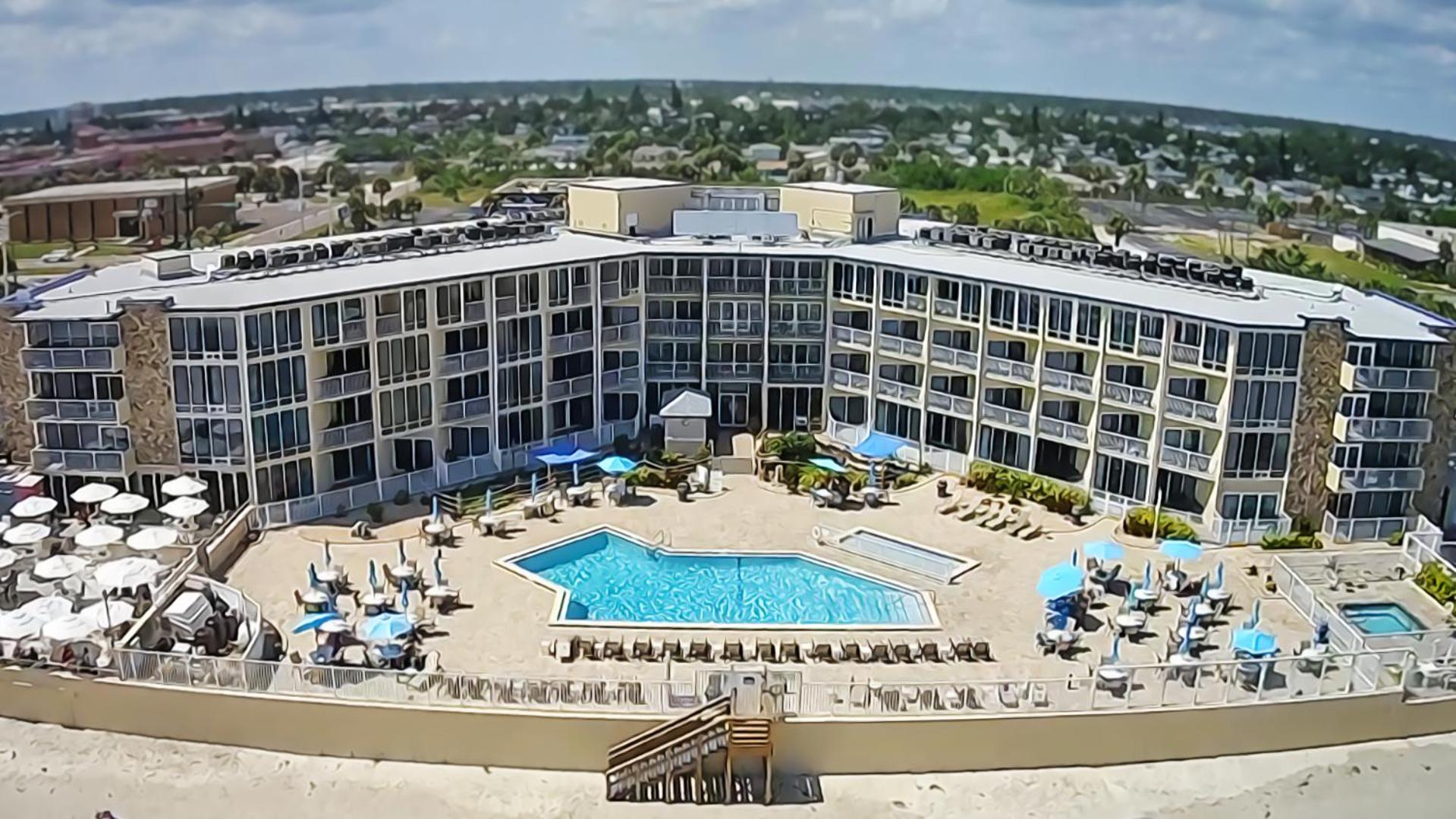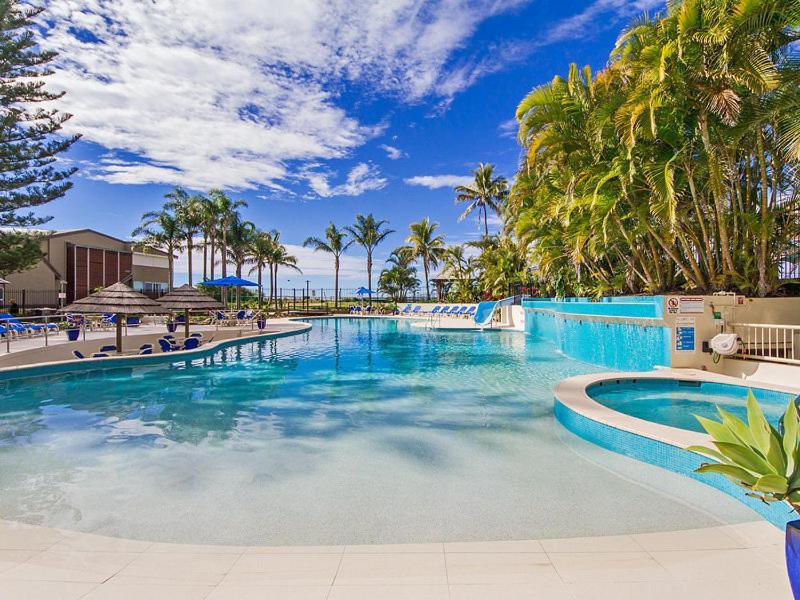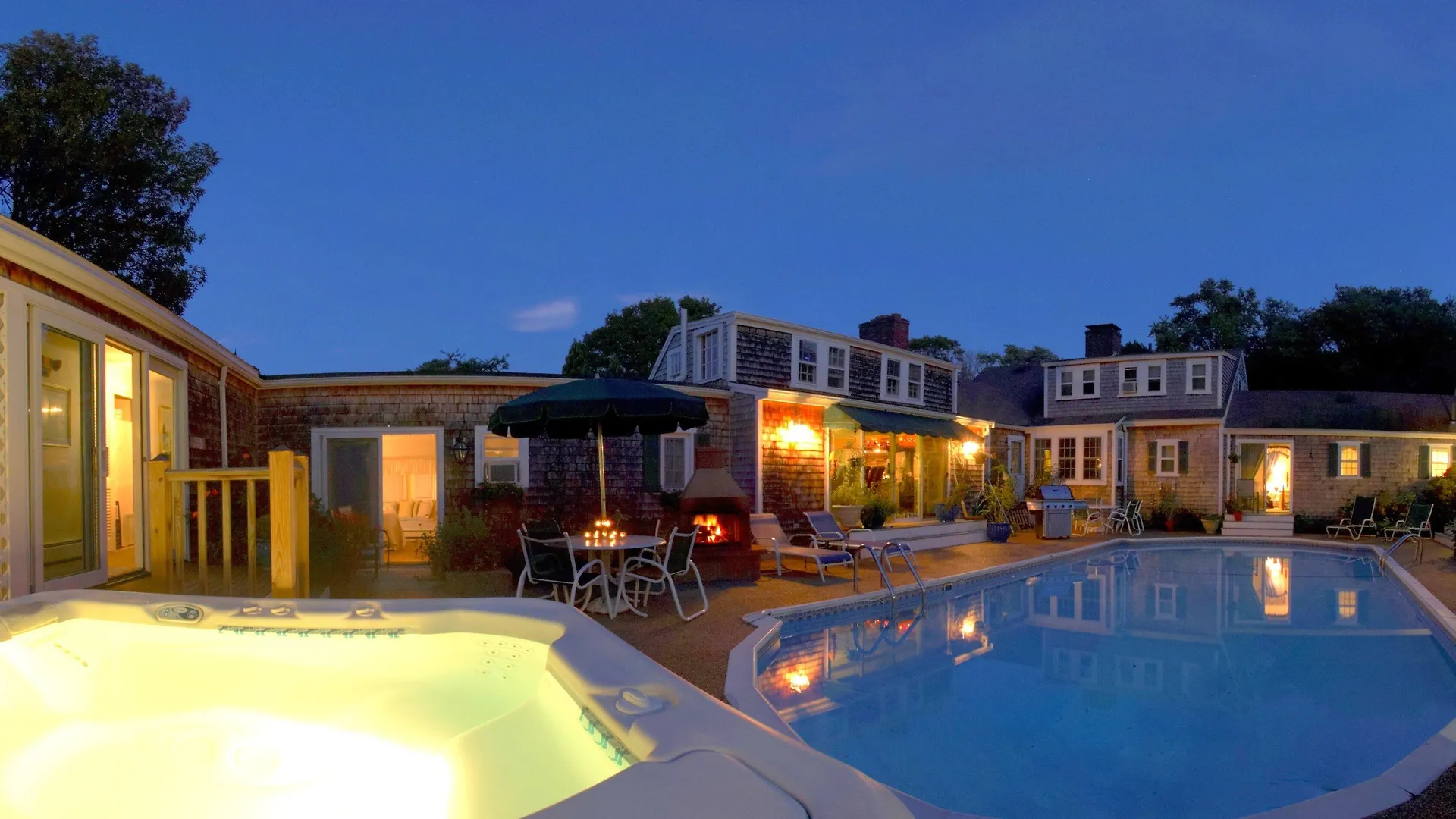
Cape Cod's 40-mile peninsula draws millions of visitors every summer for its Atlantic-facing beaches, saltwater ponds, and National Seashore access. Whether you're targeting the quieter bay side near Sandwich and Bourne, the mid-Cape towns of Barnstable and Falmouth, or the outer tip near Provincetown and Truro, choosing the right beach hotel determines how much driving you'll do versus how much time you'll actually spend on the sand. This guide breaks down 5 beach hotels across the Cape so you can match your stay to your priorities - not just your budget.
What It's Like Staying in Cape Cod
Cape Cod is a seasonal destination that runs on a hard rhythm: Memorial Day through Labor Day is peak season, with beach towns filling up fast and traffic on Route 6 backing up significantly on Friday afternoons. Outside those months, the Cape slows dramatically - many restaurants and attractions close, but prices drop and crowds disappear entirely. A car is essentially non-negotiable here; public transit exists but covers limited ground, and most beaches, restaurants, and shops are spread across towns that require driving. Families, couples seeking a classic New England seaside escape, and anyone who loves coastal hiking or whale watching are the natural fit for a Cape Cod stay.
Pros:
- Direct beach access from many properties, with the National Seashore offering over 40 miles of protected coastline
- Strong variety of micro-destinations - Falmouth and Barnstable for mid-Cape convenience, Truro and Provincetown for a more remote, atmospheric feel
- Cape Cod Gateway Airport provides regional flight access, cutting travel time significantly for visitors from outside New England
Cons:
- Peak-season traffic on the Bourne and Sagamore bridges can add around 90 minutes to arrival times on summer weekends
- Many beach properties are cottage-style with limited soundproofing - not suited for light sleepers
- The shoulder and off seasons (October-May) leave visitors with fewer dining and activity options, especially on the outer Cape
Why Choose Beach Hotels in Cape Cod
Beach hotels in Cape Cod vary significantly by position on the peninsula. On the bay side (Bourne, Sandwich), water is calmer and warmer, making it better for families with young children. On the ocean-facing side (Falmouth's Surf Drive, North Truro's Beach Point), the Atlantic delivers stronger surf and more dramatic scenery. Beachfront or beach-adjacent properties command a clear premium - expect to pay around 40% more compared to inland equivalents during July and August. Room sizes at coastal properties tend to be cottage or suite-style rather than standard hotel rooms, which translates to more living space but less uniformity in amenities. The trade-off is real: you gain proximity to the water but sometimes sacrifice the polished consistency of a branded hotel chain.
Pros:
- Immediate beach access eliminates the need to drive to public lots, which fill up by 9 AM in peak season
- Cottage and resort-style layouts often include kitchenettes, reducing meal costs significantly over a multi-night stay
- Indoor pool availability at several properties means beach days aren't weather-dependent
Cons:
- Peak-season availability at beachfront properties is extremely tight - many book out weeks or months in advance
- Coastal properties may lack the restaurant infrastructure of town-center hotels, requiring more driving for evening meals
- Cottage-format stays may have nightly minimum requirements during busy weekends, limiting short-trip flexibility
Practical Booking & Area Strategy
The Cape divides into three distinct zones for hotel strategy. The Upper Cape - Bourne and Sandwich - is closest to the bridges and works well for first-time visitors or those combining Cape Cod with Plymouth or Boston day trips; Plimoth Plantation is around 32 km from Bourne. The Mid-Cape - Barnstable, Hyannis, Falmouth - offers the best balance of beach access, dining, and airport proximity, with Cape Cod Gateway Airport just 6 km from central Barnstable. The Outer Cape - Truro and Provincetown - delivers the most immersive experience with access to Race Point Lighthouse, Highland House Museum, and the Cape Cod National Seashore, but requires the longest drive from the bridges and has fewer budget options. For whale watching out of Provincetown Pier, staying in North Truro cuts your morning commute significantly compared to staying Upper Cape. Book any beach-adjacent property at least 8 weeks ahead for July stays - last-minute availability in that window is almost nonexistent at waterfront locations.
Best Value Beach Stays
These properties offer solid beach-area positioning and core amenities at the more accessible end of Cape Cod's pricing spectrum, making them well-suited for travelers prioritizing location over luxury finishes.
-
1. Quality Inn Bourne - Cape Cod
Show on map


 Check-infrom 16:00 until 23:59Check-outuntil 10:00
Just a few rooms left at the best rate!
fromUS$ 120
-
2. Lamb And Lion Inn
Show on map


 Check-infrom 15:00 until 19:00Check-outuntil 11:00
Just a few rooms left at the best rate!
fromUS$ 267
-
3. Red Horse Inn
Show on map


 Check-infrom 15:00 until 23:59Check-outfrom 07:00 until 11:00
Hurry – almost gone at this price!
fromUS$ 268
Best Premium Beach Stays
These two properties offer direct or near-direct beach access with standout physical positioning - one steps from the Atlantic in North Truro, the other fronting Surf Drive Beach in Falmouth - catering to guests for whom beach proximity is the non-negotiable factor.
-
4. Beachside Village Resort
Show on map


 Check-infrom 16:00 until 23:59Check-outuntil 10:00
Hurry – almost gone at this price!
fromUS$ 107
-
5. Oceana Cottages
Show on map


 Check-infrom 15:00 until 21:00Check-outfrom 09:00 until 10:00
Rooms filling fast – secure the best rate!
fromUS$ 478
Smart Travel & Timing Advice
July and the first two weeks of August are the hardest weeks to book on Cape Cod - beachfront properties at this level sell out weeks in advance, and prices at ocean-adjacent hotels can run significantly higher than May or September rates. The shoulder seasons - late May through mid-June and September - offer the best combination of open beaches, operational restaurants, and manageable prices, with water temperatures still warm enough for swimming by late June. Book at least 8 weeks ahead for any July stay, especially for cottage-style or resort properties with limited unit counts like Oceana Cottages or Beachside Village Resort. For a first visit, 3 nights is the practical minimum to cover both a National Seashore beach day and a Provincetown or Hyannis town visit without feeling rushed; a 5-night stay unlocks day trips to Martha's Vineyard or Plymouth without sacrificing beach time. Last-minute bookings in peak season almost exclusively surface at inland or chain properties - not beachfront.