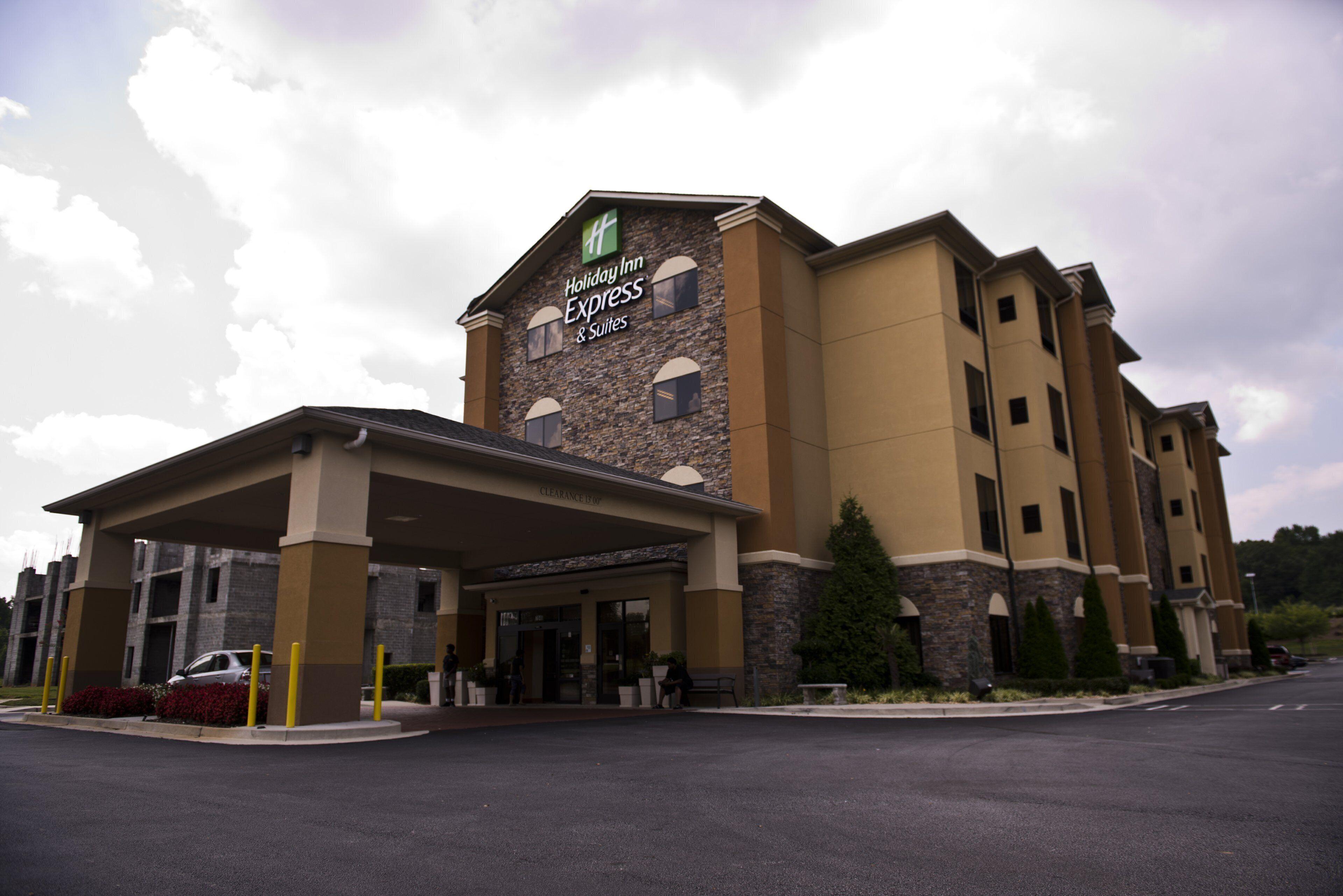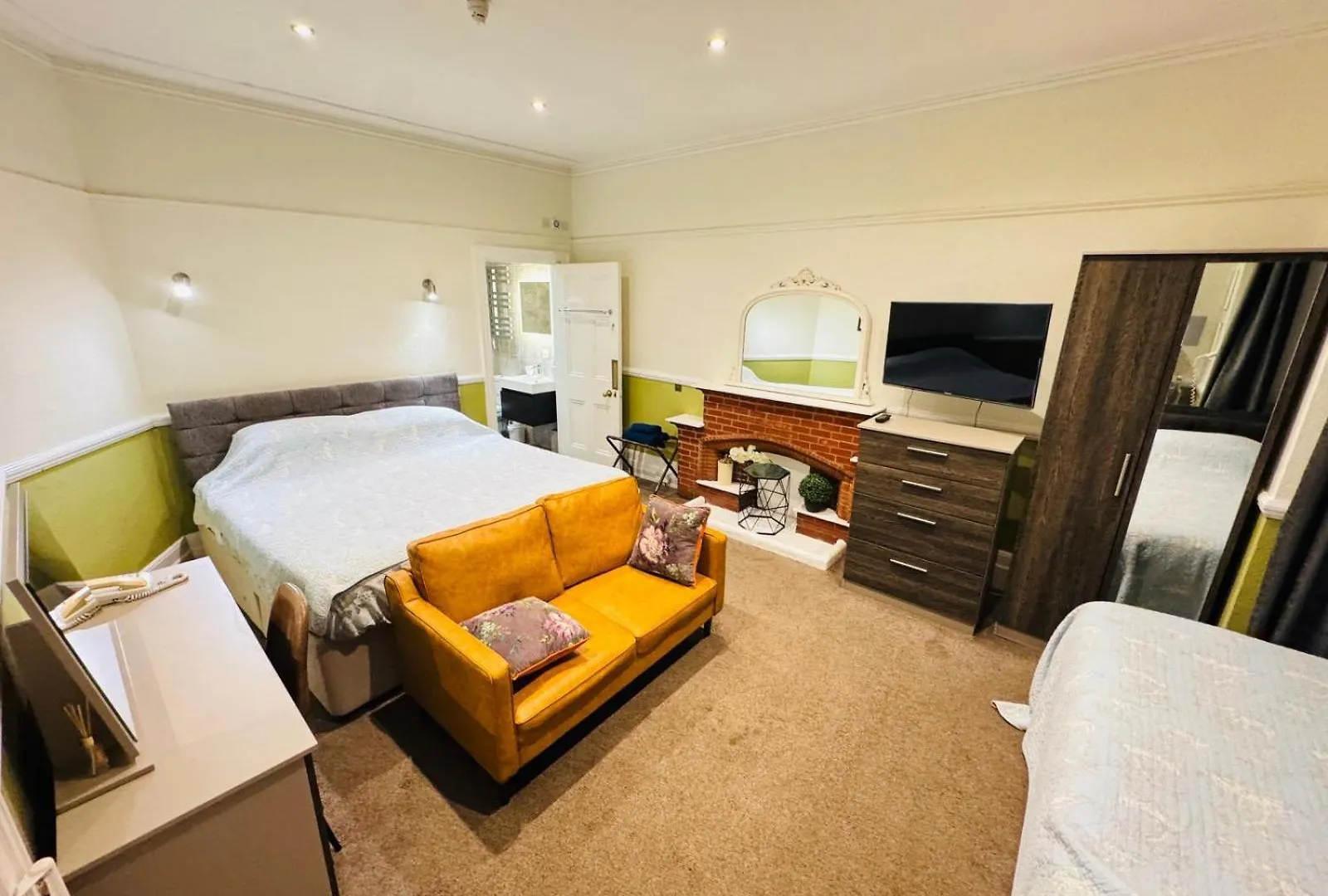
Greater London stretches across 32 boroughs and covers over 1,500 km2, which means where you stay within the city dramatically changes your experience. These 6 three-star hotels span Bromley, New Barnet, Sidcup, Chelsea, West Hampstead, and Baker Street - giving travelers a realistic range of price points, transport access, and urban settings. This guide is built to help you compare them clearly and book with confidence.
What It's Like Staying in Greater London
Greater London is one of the most navigated cities in the world, with the Underground, Overground, and National Rail together serving around 270 tube stations - meaning most 3-star hotels outside Zone 1 are still well-connected to central attractions. The city's pace is fast in central zones and noticeably calmer in outer boroughs like Bromley or Sidcup, where traffic noise and crowd density drop significantly. Outer-borough stays suit travelers who prioritize space and parking over proximity, while Zone 1 proximity matters most for short city breaks focused on sightseeing.
Pros:
- Exceptional transport network connects outer boroughs to central London in under 45 minutes by train
- Outer areas like Bromley and New Barnet offer free parking - rare and expensive in central London
- Lower noise levels and more residential settings in zones 4-6 compared to Zone 1 hotels
Cons:
- Distance from major attractions like the British Museum or West End can add daily commute time
- Evening dining and entertainment options are limited in outer boroughs after 22:00
- Uber and taxi fares from outer zones to Central London can accumulate significantly over a multi-night stay
Why Choose a 3-Star Hotel in Greater London
Three-star hotels in Greater London occupy a practical middle ground - typically offering private parking, breakfast options, and en-suite bathrooms at rates considerably lower than 4-star properties in the same zones. In outer boroughs, 3-star hotels often occupy converted Victorian houses or standalone buildings with more character than budget chains, though shared bathrooms are still present in some properties. Room sizes in outer-zone 3-star hotels tend to be more generous than equivalent-priced rooms in Central London, where space is consistently sacrificed for location. The trade-off is always distance versus cost - a 3-star in Zone 4 may cost around 40% less per night than a comparable Zone 2 property.
Pros:
- Free private parking is commonly included - a saving of up to £30 per day in London
- Breakfast (Full English or continental) frequently included or available on-site
- More residential and quieter settings compared to tourist-heavy central hotel clusters
Cons:
- Some properties use shared bathrooms rather than fully private en-suites
- Limited on-site amenities such as gyms, pools, or concierge-level services
- Longer commute times to central London landmarks from outer-borough properties
Practical Booking & Area Strategy for Greater London
Greater London's hotel geography rewards strategic thinking. Staying in New Barnet or Bromley suits travelers arriving by car or those combining a London trip with countryside day trips - both areas offer free parking and direct rail links into central London in under 40 minutes. West Hampstead and Baker Street (Zone 2) are better positioned for visitors focused on museums, Regent's Park, or the West End, with Underground access within walking distance. Sidcup, in southeast London, is best for those visiting Greenwich, Dartford, or needing proximity to the M25. Chelsea and Fulham (SW6) are residential neighborhoods with good bus connections to South Kensington museums and the King's Road shopping area, but no direct tube access from some streets. Book at least 6 weeks ahead for stays during Wimbledon (July), Notting Hill Carnival (August), or the London Marathon (April), when outer-borough hotels also see elevated demand.
Best Value Stays
These properties offer strong price-to-value ratios in outer London boroughs, with free parking and on-site dining - making them well-suited to travelers arriving by car or staying for multiple nights.
-
1. Glendevon House Hotel
Show on map


 Check-infrom 14:00 until 23:59Check-outuntil 10:00
Just a few rooms left at the best rate!
from£ 56
-
2. Ruxley Rooms
Show on map


 Check-infrom 15:00 until 21:00Check-outfrom 07:00 until 11:00
Just a few rooms left at the best rate!
from£ 39
-
3. The Hadley Hotel
Show on map


 Check-infrom 13:00 until 23:00Check-outuntil 10:00
Hurry – almost gone at this price!
from£ 57
Best Central & Zone 2 Options
These properties are located in inner or Zone 2 London neighborhoods, offering faster access to the city's core attractions and stronger public transport connections at a step up in positioning.
-
4. West End Lane II
Show on map


 Check-infrom 15:00 until 23:00Check-outfrom 01:00 until 11:00
Hurry – almost gone at this price!
from£ 72
- Show on map
Best price guarantee
-
3. Chelsea Rooms
Show on map


 Check-infrom 15:00 until 23:59Check-outuntil 10:00
Rooms filling fast – secure the best rate!
from£ 78
Smart Travel & Timing Advice for Greater London
Greater London hotel rates follow predictable seasonal patterns, with peak pricing concentrated between June and September - when international tourism combines with school holidays to push occupancy above 90% in most zones. January and February are consistently the cheapest months to book, with rates across 3-star outer-borough hotels dropping by around 30% compared to summer peaks. For outer-borough properties like Glendevon House or The Hadley, last-minute availability is more common than in central zones, but this strategy is risky during event weekends such as the Notting Hill Carnival, London Marathon, or major concerts at the O2 Arena. A stay of 3 nights is generally the practical minimum to offset travel time from outer boroughs - shorter stays work better from Zone 2 properties like Baker Street or West Hampstead. Book at least 8 weeks ahead for summer visits, and consider arriving Sunday through Tuesday when weekend pricing premiums ease. Mid-October to mid-November is an underrated window - crowd levels drop significantly after half-term week, weather remains mild, and hotel rates begin their autumn descent.